Blog

  • Nail Color Trends For Spring 2025: Your Guide To The Hottest Trends

    Nail Color Trends For Spring 2025: Your Guide To The Hottest Trends

    When the winter chill finally melts away, it’s time to freshen up your look—from your clothing choices right down to your fingertips. This year, your nails are about to become your favorite accessory, sporting colors that speak volumes about your style, mood, and creativity. Curious about which hues will rock the scene in Spring 2025? You’re in luck! We’ve got the full scoop on everything from pastel palettes to edgy new metallics.

    Whether you’re prepping for prom, planning a big trip, or just need something fresh for your everyday life, these nail colors (and some quick tips) will help your manicure game thrive. Best of all, we’re doing it in a fun, relatable way—like a best friend dishing the latest. So grab a comfy seat, maybe a glass of lemonade, and let’s dive into the wonderful world of Spring 2025 nail color trends!

    (Disclaimer: If you’re under 18, be sure to check with your parents or guardians before going all-in on any fancy polishes or making big beauty purchases. But hey, a little planning never hurt anyone!)

    1. Soft Pastels: Because Spring Calls For Subtle Vibes

    When you think of Spring 2025, you might imagine pastel clothing, blossoming flowers, and a general sense of renewal. Well, guess what? Your nails can mirror that mood perfectly. From milky lavender to baby blue and pistachio green, these gentle shades whisper “fresh start” without screaming for attention.
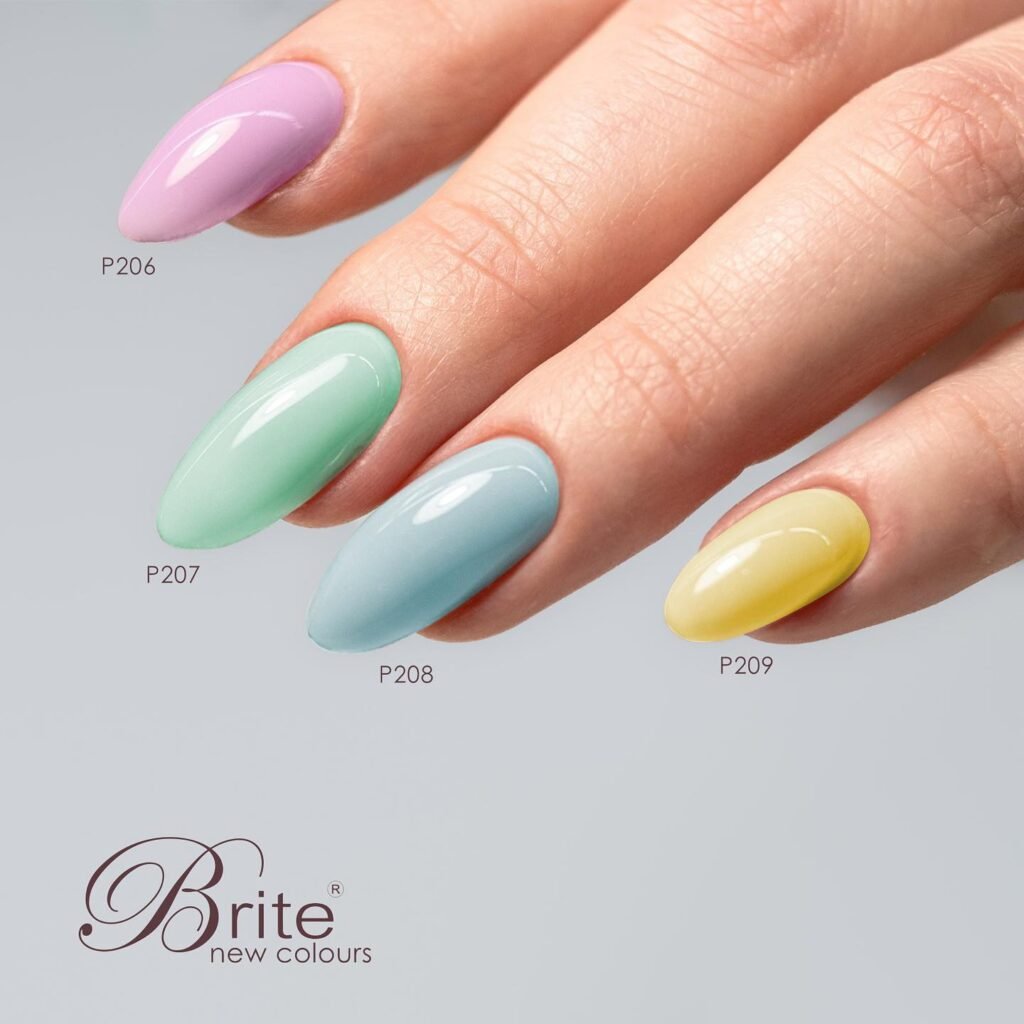
    Nail Color Trends for 2025, Soft Pastels: Because Spring Calls For Subtle Vibes
    Instagram@brite.sg

    Why Pastels Are Perfect

    • Easily Matchable: Pastels pair well with a variety of outfits, whether you’re into boho dresses or sporty streetwear.
    • Low-Key Chic: They look sophisticated but also sweet. Perfect for school days, part-time jobs, or casual weekends with friends.
    • Versatile: Light colors allow you to play around with nail art. Try adding tiny flowers, polka dots, or geometric shapes.

    Pastel Hack: If you’re worried a pastel polish might be too sheer, layer a white base coat first. This helps the color pop without needing a million coats of polish.

    2. Retro Metallics: For Those Who Love A Shimmering Edge

    If you’d rather stand out like a neon sign at midnight, metallics are your new best friend. But it’s 2025, so the typical gold and silver have gone retro—think iridescent chromes that shift color as you move, or grunge-inspired metal shades reminiscent of your parents’ old rock band posters.
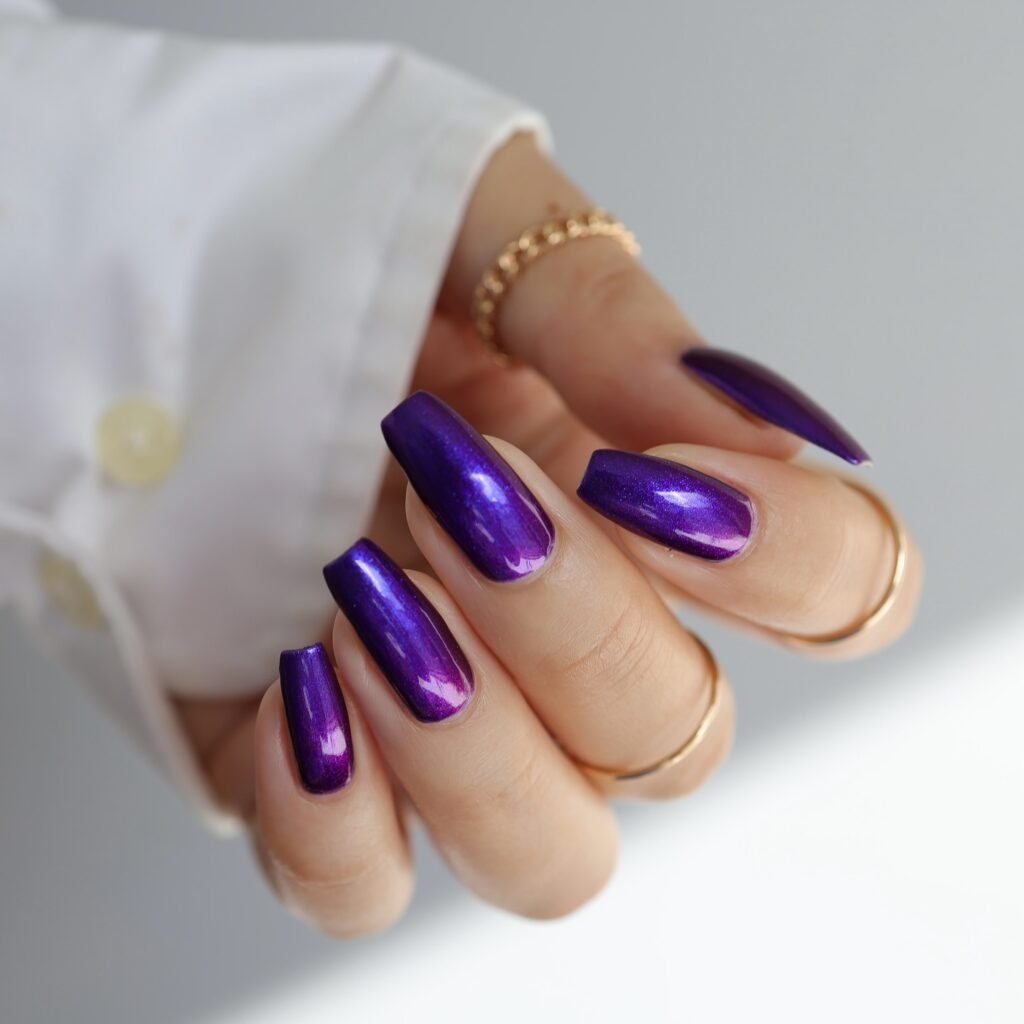
    Nail color trend for metalic retro
    Instragram@polishedbookworm

    Color Suggestions

    • Rose Gold Chrome: Because who doesn’t love that pinky, shimmery reflection?
    • Bronzed Copper: A warm metallic that looks stunning on any skin tone.
    • Holographic Silver: Catch the light at every angle and reflect a rainbow wherever you go.

    Metallic Hack: Metallic polishes can show brush strokes easily. Try applying them in smooth, even layers or use a sponge technique to minimize streaks.

    3. Jelly Nails: Bold, Bright, & Transparent

    Remember when jelly sandals were a huge thing? Picture that same transparent yet vibrant vibe on your nails. These polishes typically come in bright pinks, oranges, yellows, or even vibrant purples, but with a see-through finish that’s playful and unique.
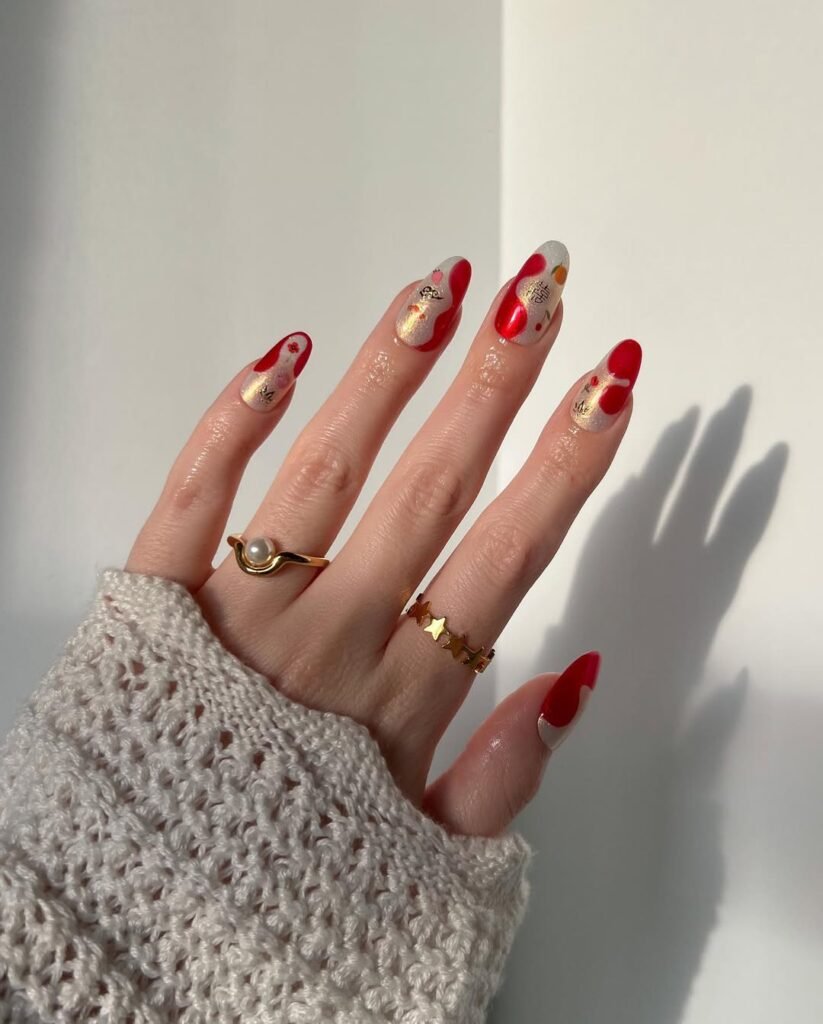
    Jelly Nails Another 2025 - nail color trends
    Instagram@pop_polished

    Reasons To Love Jelly Nails

    • Fun Factor: They’re basically the bubble tea of nail trends—fresh, fun, and oh-so-2025.
    • Layering Options: Mix different jelly colors on one nail for a tie-dye effect.
    • Short or Long? Works with all nail lengths. On short nails, it’s cute and subtle; on long nails, you’ll have that “glass tip” effect.

    Jelly Hack: If you want extra shine, top it with a high-gloss top coat. The transparent finish will look even more like candy.

    4. Earthy Neutrals With A Twist

    Sometimes, you want nails that coordinate effortlessly with anything. That’s where neutral shades shine—beige, taupe, and dusty rose are always in style. But Spring 2025’s twist? Adding a hint of soft green or muted terracotta to the neutral family.
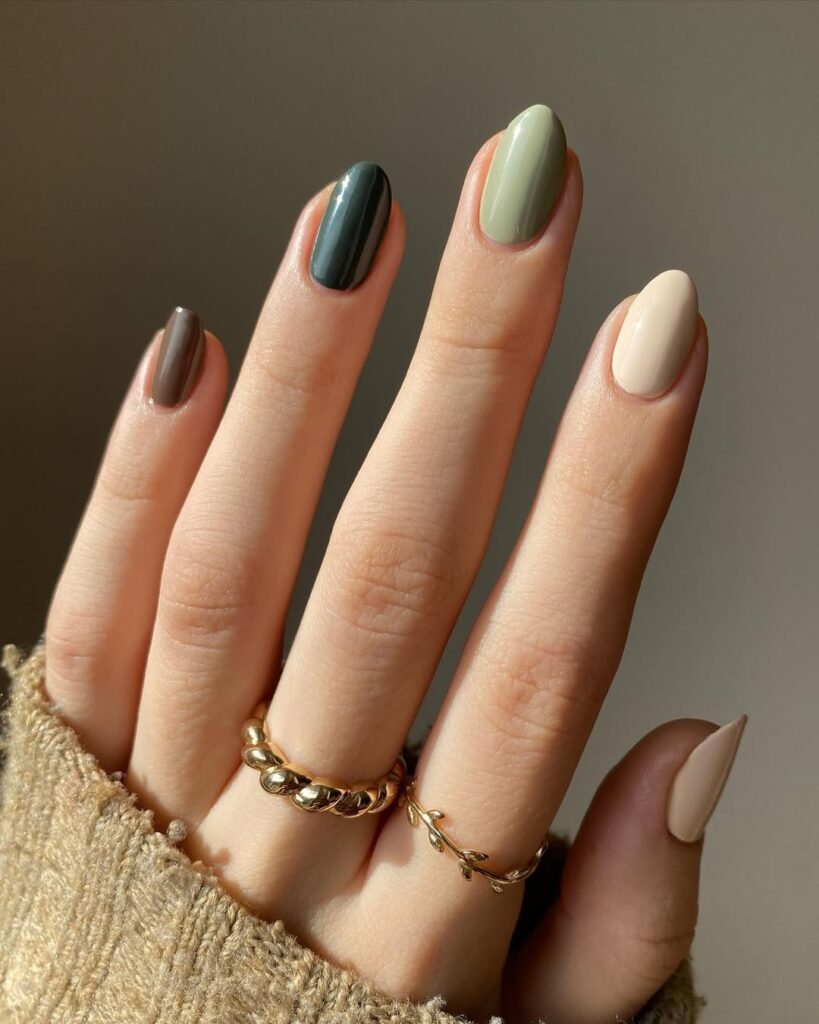
    Earthy Neutrals Nails
    Instagram@polished_yogi

    Try These Shades

    • Clay Brown: A warm, earthy hue that complements casual jean outfits.
    • Soft Olive: Not quite green, not quite brown—perfect middle ground for nature lovers.
    • Dusty Peach: A cross between pink and nude, giving a subtle warmth.

    Neutral Hack: Pair a neutral mani with one accent nail in a bolder shade—or even a simple metallic stripe—to keep it interesting without going full-blown “look at me!”

    5. Neon Sparks: Bringing The Party To Your Fingertips

    For the nights when you want your nails to speak louder than your outfit, neon is here to party. Neons can feel intimidating, but picking the right shade can boost your confidence and turn a simple jeans-and-tee combo into an Insta-worthy fit.
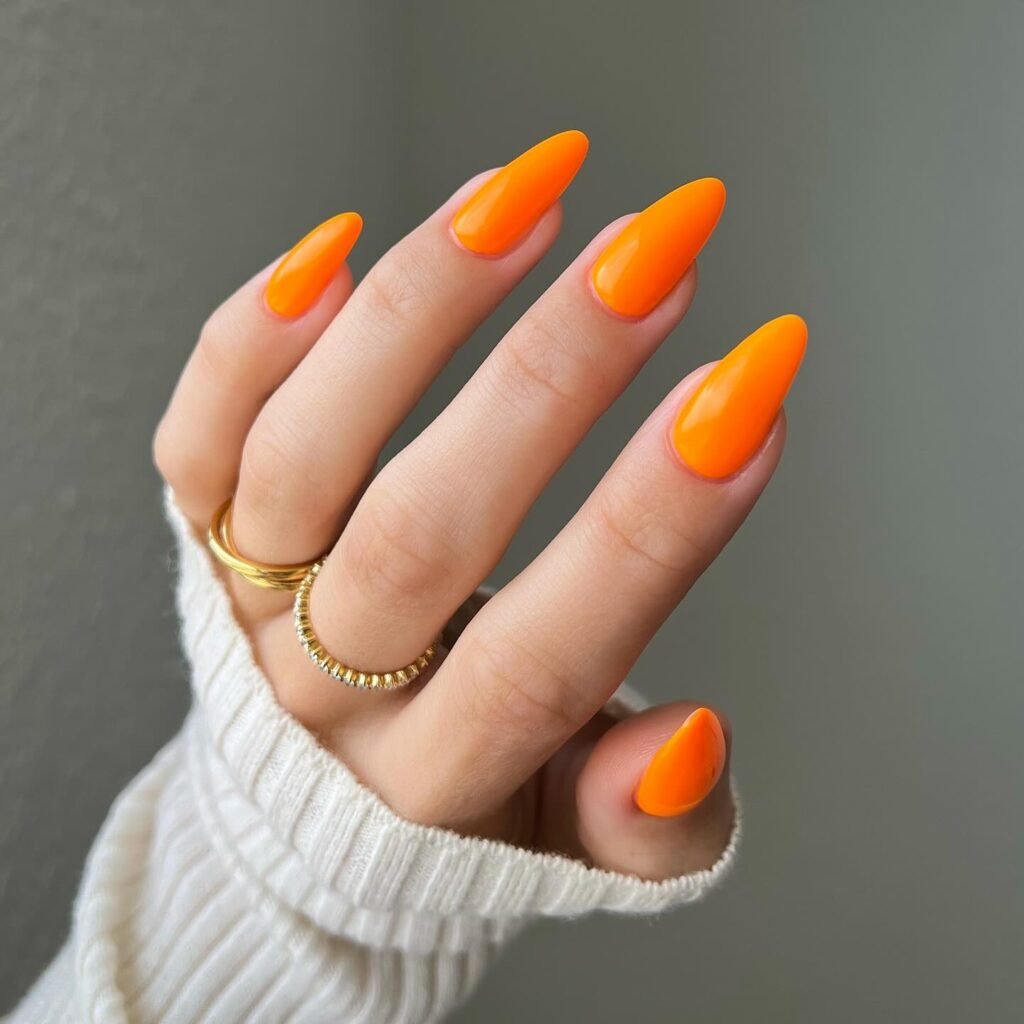
    Neon Sparks
    Instagram@dndgel
    • Hot Pink: The ultimate “I’m here!” color. Great for concerts or weekend adventures with friends.
    • Day-Glo Orange: Screams summer vibes and tangy fun.
    • Electric Lime Green: 2025’s version of the classic “90’s rave” look, perfect for festival season.

    Neon Hack: If you’re worried about looking “too bright,” try a neon French tip style—keep most of the nail neutral, then paint the tips neon for a subtle but cool effect.

    6. Textured Finishes: Velvet, Matte, & More

    Let’s face it—sometimes glossy nails get boring. Enter textured polishes like velvet finishes, sandy textures, or matte topcoats that transform any shade into something fresh.

    Matte Polish

    • Pros: Understated elegance, perfect for a classy look.
    • Cons: Shows imperfections and chips a bit more easily.

    Velvet Polish

    • Pros: Creates a plush, unique feel (and look) reminiscent of actual velvet fabric.
    • Cons: Usually best for special events—velvet textures can wear off faster in daily life.

    Sand or Sugar Finish

    • Pros: Grainy polishes add an edgier twist to pastel or neon shades.
    • Cons: Might catch on clothing if you apply it too thick.
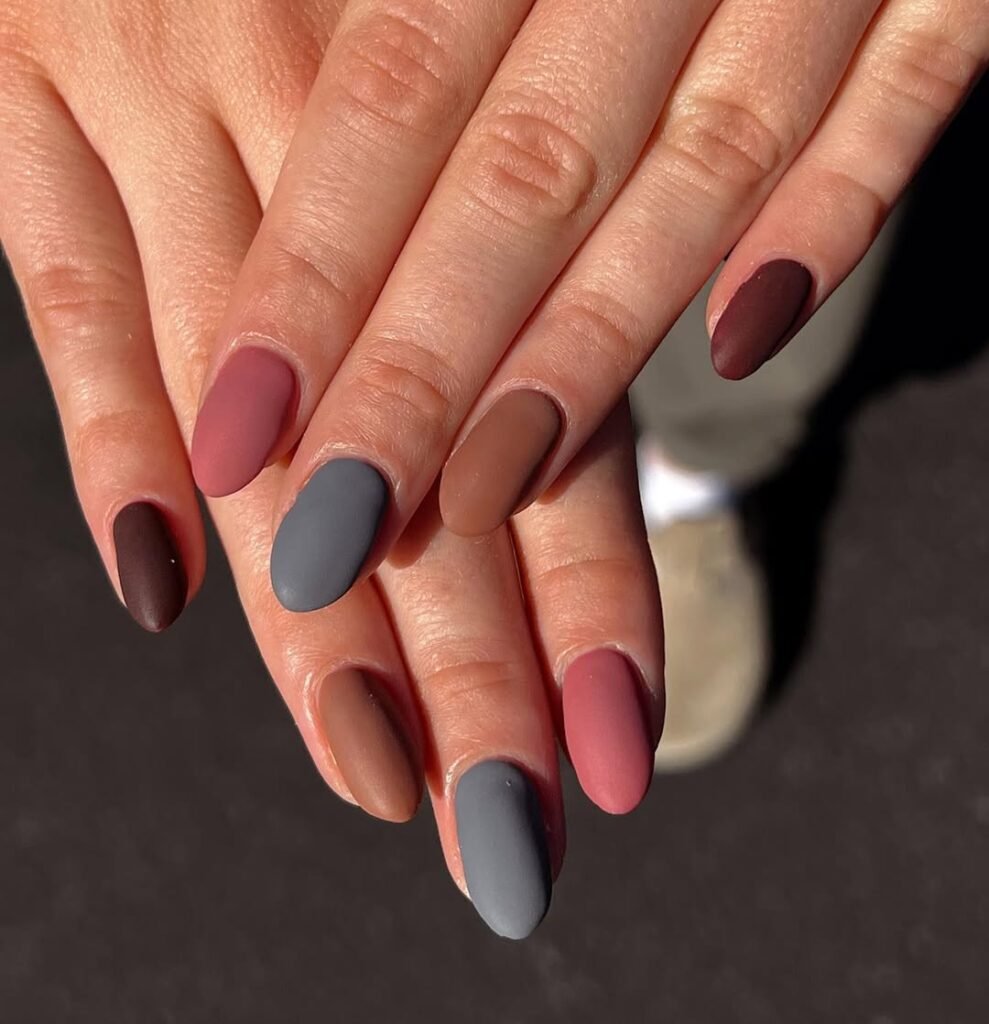
    Matte Polish
    Instagram@mynailgirlness

    Texture Hack: If you already own a bunch of glossy polishes and want a matte effect, buy a matte topcoat. Voilà—one product can transform your entire nail polish collection.

    Tips For Perfect Application & Long-Lasting Shine

    No matter which color or texture you choose, technique matters:

    1. Prep & Cleanse
      • Wash your hands and nails thoroughly, removing any old polish or oily residue.
      • Push back cuticles gently (avoid cutting them if possible—snips can lead to infection or wonky nail growth).
    2. Base Coat
      • Helps your polish adhere better and prevents staining, especially with dark or neon shades.
    3. Thin Coats, Multiple Layers
      • It’s better to apply two or three thin layers than one goopy coat. This reduces smudges and speeds drying.
    4. Top Coat = Must
      • Seal your masterpiece with a glossy or matte top coat to extend wear and add a professional finish.
    5. Touch-Ups
      • Keep a bottle of quick-dry topcoat or polish remover pen handy for small fixes.
      • If a nail chips on day 3, patch it up rather than removing everything.

    Pro Tip: If you’re in a hurry and accidentally smudge a nail (we’ve all been there), dip a fingertip in nail polish remover and gently smooth the smudge. Then reapply a thin coat. It’s a handy quick-fix that might salvage your mani!

    DIY Vs. Salon: Which Route Suits You Best?

    DIY Pros & Cons

    • Pros:
      • Cost-effective (buy a few polishes, reuse them for months).
      • Experiment with different styles at your own pace.
      • Feels more personal—like a mini spa day at home.
    • Cons:
      • Requires some skill (or patience) to achieve a pro-level finish.
      • Drying time can lead to accidental smudges.
      • Might be messy if you’re new to painting nails.

    Salon Pros & Cons

    • Pros:
      • Professional finish, quick drying methods, and fancy designs.
      • Options like gel polish for a durable, long-lasting manicure.
    • Cons:
      • Costs can add up, especially for frequent visits.
      • Gel or acrylic treatments need special removal, or it can damage your nails.
      • Requires scheduling and sometimes waiting in line.

    Verdict: Mix it up. If you love creative expression and have time to learn, DIY is fun. For special occasions, or if you want that fancy 2025-themed design, a salon can be a lifesaver.

    Fun Ways To Personalize Your Nail Look

    Even if you pick the “perfect” polish shade, adding personal touches can make your nails truly stand out:

    • Stickers & Decals: From stars to mini daisies, there’s a sticker for every taste. Quick fix for a major style pop.
    • Freehand Nail Art: Feeling artsy? Grab a fine-tipped brush to draw small patterns or shapes. Polka dots are easy; cartoon characters might require more skill (but go for it if you’re bold!).
    • Ombre Gradients: Use a sponge to blend two or three colors seamlessly. Perfect for pastel or neon transitions.
    • Jewels or Studs: Tiny rhinestones near the cuticle can glam up a neutral shade.
    • Custom French Tips: Instead of white, try a metallic or neon tip on a neutral base. Super chic!

    Tip: Always seal delicate designs with a topcoat to prevent them from chipping or peeling off too soon.

    Confidence Is The Best Polish

    Spring 2025 is shaping up to be a year of adventurous, colorful nail trends. From pastel calm to neon boldness, from metallic brilliance to textured finishes, there’s something for everyone. Want subtle? Go for soft olive or dusty peach. Feeling daring? Neon pink or holographic silver might be your jam. Remember to factor in your hair porosity if you want to coordinate your overall style—soft, pastel nails can match a low-porosity hair routine that loves lighter products, while bold, vibrant polishes might align with high-porosity hair that thrives on heavier moisture.

    Even if you change your nails every week (guilty as charged?), the biggest takeaway is to enjoy the process. Nails are a small canvas for self-expression—one you can switch up at the drop of a hat (or the snap of a topcoat). So experiment fearlessly, embrace your unique preferences, and, most importantly, have fun.

    After all, the best part about nails is that mistakes can be wiped away with polish remover, and you get a fresh slate to try again. Whether you’re going at it solo in your bedroom or booking an appointment at your local salon, let your nails tell your story. Because in the end, confidence—and maybe a killer base coat—truly is the best polish of all.

  • Blackheads removal tips: Your Ultimate Guide to Clear, Radiant Skin

    Blackheads removal tips: Your Ultimate Guide to Clear, Radiant Skin

    Blackheads removal tips are the most commonly search on Google, especially for teenage girls. These pesky little dots, often found on the nose, cheeks, and chin, can be a real confidence killer. But don’t worry! Getting rid of blackheads fast is easier than you think, especially when you have the right natural remedies and DIY skincare tips up your sleeve. Let’s dive into everything you need to know about blackheads, why they happen, and how you can banish them for good with simple, homemade solutions.

    In this guide, you’ll learn:

    1. What blackheads are and why they pop up.
    2. Easy, natural remedies (like the ones you’ve already discovered) that are actually helpful.
    3. Some lesser-known routines and pointers to keep blackheads at bay.

    But first, let’s get a quick overview of what blackheads even are—besides being an occasional nuisance.

    What Are Blackheads? The Basics

    Blackheads—sometimes called open comedones—are basically plugs that form in your pores. The stuff clogging your pores is mostly:

    • Excess oil (also known as sebum)
    • Dead skin cells
    • Bacteria or any residue

    When this gunk meets oxygen at the surface, it turns black (or dark yellowish), giving us those infamous “dots.” They’re a form of mild acne, so if you’ve ever had a pimple, you already know how rebellious your skin can be.

    Why does the nose get hit hardest?

    The nose region tends to be oily (thanks, genetics!), providing the perfect environment for blackheads to show up in all their glory. But they can also appear on cheeks, the chin, and sometimes even on the forehead.

    Why Teen Girls Get Them (and Why That’s Okay)

    First, let’s get real: puberty and adolescence come with hormone changes. These hormones can stimulate oil glands to go into overdrive. The result? Oily T-zones, acne flare-ups, and yes, blackheads. It’s not your fault, and it’s definitely not something to panic about. Everyone deals with them—some just hide it better or use the right filters on their selfies.

    Key point:

    If you notice that blackheads are becoming severe or that your skin feels extra greasy no matter what, it might be time to adjust your daily routine. But rest assured, having blackheads does not mean you have “bad hygiene.” It usually just means you’re in a prime hormone stage and your skin is letting you know it’s alive and well.

    6 Natural Blackheads Removal Tips (From Your Own Kitchen)

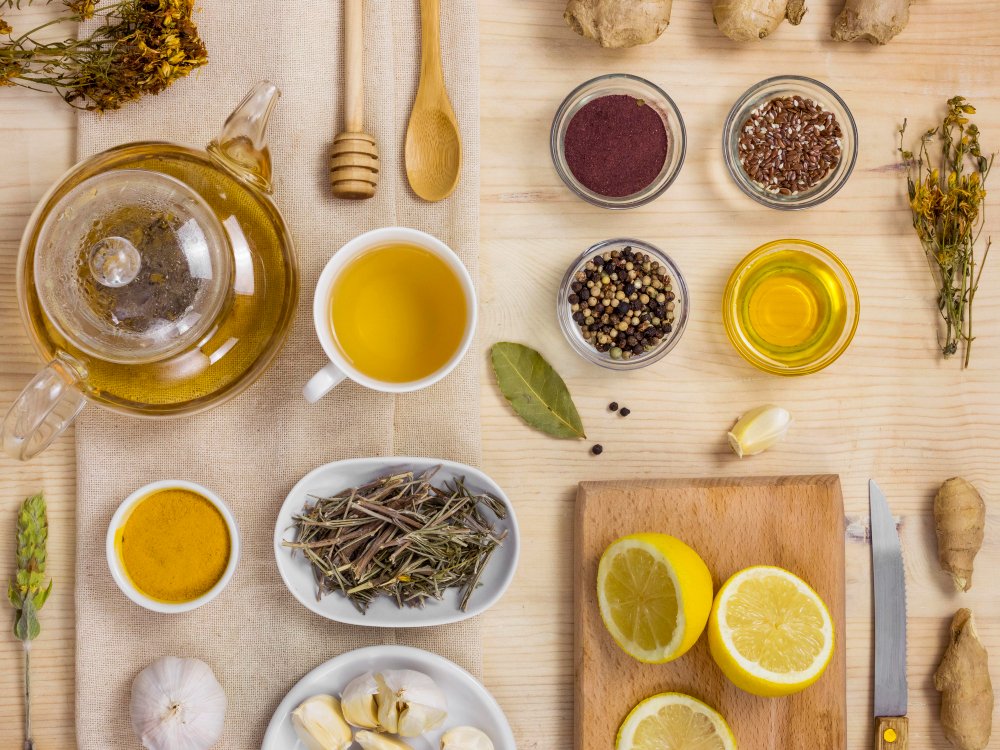
    Bowls of honey, turmeric, fenugreek leaves, and lemon arranged for blackheads remedies

    Below are six classic blackheads removal tips that rely on ingredients you might already have at home. Using them consistently can help minimize the appearance of blackheads and may prevent new ones from forming. Just remember to patch-test if you have extra-sensitive skin.

    Glycerin & Almond Powder Paste

    Ingredients

    • 2 tsp glycerin
    • 1 tsp fuller’s earth (multani mitti)
    • 4 tsp almond powder

    How to use

    1. In a bowl, mix glycerin, fuller’s earth, and almond powder thoroughly.
    2. Add slightly warm water as needed, creating a smooth paste.
    3. Apply this mixture onto the areas prone to blackheads: nose, cheeks, forehead, or chin.
    4. Wait about 15 minutes, then rinse with warm water.

    Why it helps

    • Glycerin: A gentle humectant that locks in moisture, preventing dryness or irritation.
    • Fuller’s Earth: Known for its oil-absorbing properties and ability to tighten skin.
    • Almond Powder: A mild exfoliant that can help dislodge blackheads and dead skin buildup.

    (Pro Tip: Don’t leave it on too long, or your skin may feel tight. A quarter of an hour is usually enough.)

    Fenugreek Leaves Paste

    Ingredients

    • A handful of fenugreek leaves (methi), freshly washed

    How to use

    1. Crush the fenugreek leaves into a paste using a mortar and pestle (or a blender if that’s easier).
    2. Apply this paste to affected areas—particularly around the nose and T-zone—before bedtime.
    3. Rinse with lukewarm water in the morning.

    Why it helps

    • Fenugreek has long been used for its antibacterial and anti-inflammatory properties, which can calm troubled skin and potentially keep pores clear.

    (Heads up: Fenugreek has a distinct earthy scent. If it’s too strong for you, ensure you rinse thoroughly in the morning.)

    Corn Flour & Vinegar Paste

    Ingredients

    • 2 tsp corn flour
    • A small amount of vinegar (white or apple cider)

    How to use

    1. Combine corn flour and vinegar to form a smooth, spreadable paste.
    2. Apply on the areas prone to blackheads (commonly the nose, chin, or cheeks).
    3. Let it sit for roughly 20 minutes, then wash off with slightly warm water.

    Why it helps

    • Corn Flour: Gently exfoliates, helping slough off dead skin cells.
    • Vinegar: Mildly acidic, can help rebalance your skin’s pH and minimize excess oil.

    (Note: Vinegar’s scent can be strong, so ensure good ventilation or a quick fan session if needed.)

    Peanut Oil & Lemon Mixture

    Ingredients

    • 2 tsp peanut oil
    • 2 tsp lemon juice

    How to use

    1. In a small bowl, stir peanut oil and lemon juice together.
    2. Use your fingertips or a cotton pad to dab the mixture onto blackhead-prone areas.
    3. Let it sit for 15 minutes, then rinse with warm water.

    Why it helps

    • Peanut Oil: Offers light moisture, preventing over-drying (which can trigger the skin to produce more oil).
    • Lemon Juice: Contains citric acid, a natural exfoliant that can help fade dark spots over time.

    (Daily use might keep blackheads at bay, but watch out if you have lemon sensitivity or very reactive skin.)

    Egg & Honey Paste

    Ingredients

    • 1 egg (just the white part)
    • 1 tsp honey

    How to use

    1. Separate the egg white from the yolk.
    2. Mix the egg white with honey until you get a uniform consistency.
    3. Use a cotton swab or your fingers to apply a thin layer on your face.
    4. Let it rest for about 25 minutes, then rinse with warm water.

    Why it helps

    • Egg White: Known for its pore-tightening effect, it can help reduce the likelihood of oil and debris settling in.
    • Honey: Soothing, antibacterial, and helps keep skin soft.

    (Extra perk: Some folks say this mask also lightens minor dark spots or scars over time, though results vary.)

    Turmeric Powder & Neem Leaves Paste

    Ingredients

    • A handful of crushed neem leaves
    • A pinch of turmeric powder

    How to use

    1. Crush or blend neem leaves into a paste, then stir in turmeric powder.
    2. Gently apply this to your problem areas for about 25 minutes.
    3. Rinse off with cool water.

    Why it helps

    • Neem Leaves: Famous for their antibacterial properties, they can help keep pores clear.
    • Turmeric: Contains curcumin, an anti-inflammatory compound that can calm redness and mild swelling.

    (Note: Turmeric can stain clothing or fair skin temporarily, so consider wearing older clothes and washing off thoroughly.)

    Extra Home Treatments & Techniques

    If the recipes above aren’t enough, here are more ideas:

    • Steam & Gently Extract: Boiling water, placing it in a bowl, and draping a towel over your head can help loosen blackheads. Then use clean extraction tools carefully—no harsh picking or prodding.
    • Honey & Cinnamon Strips: Some people create a paste of honey and cinnamon, apply it to a thin strip of cotton, and place it on the nose. After a short wait, remove it gently.
    • Clay Mask: Bentonite clay or kaolin clay can be used once a week to absorb extra oil.
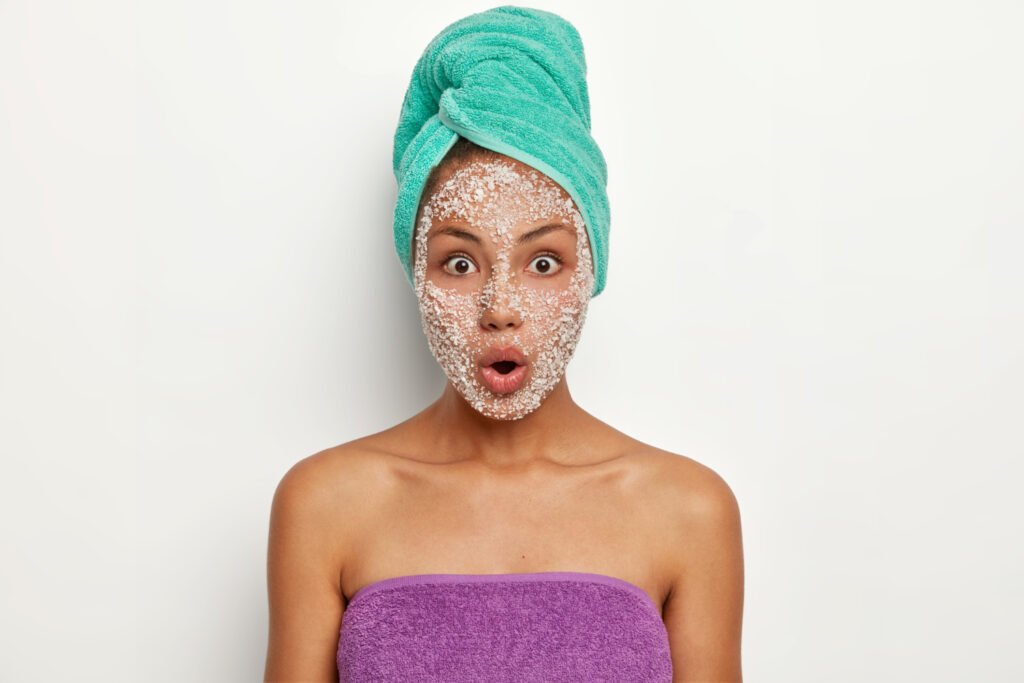
    Teen girl gently applying a homemade face mask to her cheeks

    (Remember, these are gentle approaches, but they still require caution. Overdoing it could stress your skin.)

    How to Optimize Your Skincare Routine for Fewer Blackheads

    Beyond quick fixes, let’s talk about how you can structure your daily regimen to keep blackheads under control over the long haul.

    Cleanse (But Not Too Much)

    • Morning: A gentle, non-comedogenic cleanser to wash off overnight oil.
    • Evening: Another mild cleanse to remove the day’s buildup.
    • Avoid: Harsh scrubs or repeatedly washing your face, which can irritate skin and lead to more oil.

    Tone or Mist

    • Using a toner can help restore your skin’s pH balance. Look for alcohol-free options, maybe with witch hazel or rose water if your skin tolerates it.

    Moisturize

    • Even oily-prone folks need moisturizer. Choose something lightweight and labeled “oil-free” or “non-comedogenic.”

    Spot Treatments

    • Products containing salicylic acid or benzoyl peroxide can help keep pores clear, though check with a dermatologist if your skin is sensitive.

    Sunscreen

    • Sun damage can worsen dark spots and overall skin texture. Pick a sunscreen formulated for breakout-prone skin.

    Common Mistakes to Avoid

    1. Popping Blackheads with Fingers: Squeezing can introduce bacteria and cause scarring. If you really want extraction done, consider a professional facial.
    2. Not Moisturizing: Skipping moisturizer can cause dryness, leading your skin to produce more oil.
    3. Over-Exfoliating: Too much scrubbing can damage your skin barrier, making blackheads worse in the long run.
    4. Heavy Makeup: Comedogenic or thick foundations can trap oils. If you must wear makeup, look for “non-comedogenic” or “mineral-based” on the label.
    5. Neglecting Lifestyle: Even if you have the best topical routine, poor diet, lack of sleep, and high stress can still trigger breakouts or blackheads.
    Blackheads removal tips to Avoiding the Common Mistakes

    Answering Teen FAQs: Quick-Fire Q&A

    • Q: Will these blackheads removal tips work overnight?
      A: Most natural remedies take repeated use to see real improvement. Some might reduce the appearance by the next day, but consistent application is key.
    • Q: Is it okay to use these recipes if I have sensitive skin?
      A: It depends. Always do a patch test first—especially with acidic or potent ingredients like lemon and vinegar.
    • Q: Do I need expensive skincare products to beat blackheads?
      A: Not necessarily. Consistency and gentle care go a long way. Some high-end products are great, but plenty of affordable options work too.
    • Q: My face feels super oily after school. Should I wash it multiple times?
      A: Over-washing can irritate your skin. Instead, blot with oil-absorbing sheets or do a quick water rinse and mild cleanser if you must—but keep it balanced.
    • Q: Can I do more than one remedy a day?
      A: In general, layering too many treatments can stress the skin. Stick to one or two per day, and always pay attention to how your skin reacts.

    Wrapping Up: The Path to Clear Skin

    Blackheads might be little, but they can wreak havoc on your confidence—especially when they decide to camp out on your nose or T-zone. Thankfully, with these blackheads removal tips (like glycerin-almond paste, fenugreek leaf masks, and corn flour-vinegar combos), you’re armed with a variety of home-based strategies to keep them at bay. Don’t forget:

    • A consistent daily routine (cleanser, moisturizer, sunscreen).
    • Minor lifestyle tweaks (reducing stress, staying hydrated, balanced meals).
    • Occasional home remedies (because let’s face it, a self-care session can be fun!).

    Yes, blackheads will pop up now and then, particularly during those teenage years filled with oil-prone T-zones and hectic schedules. But if you treat your skin gently, keep an eye on your habits, and apply these tips regularly, you’ll find that achieving (and maintaining) clearer, happier skin is definitely within reach.

    Resource for medical insights on acne and blackheads.

    Repository of peer-reviewed studies on skincare and acne treatments.

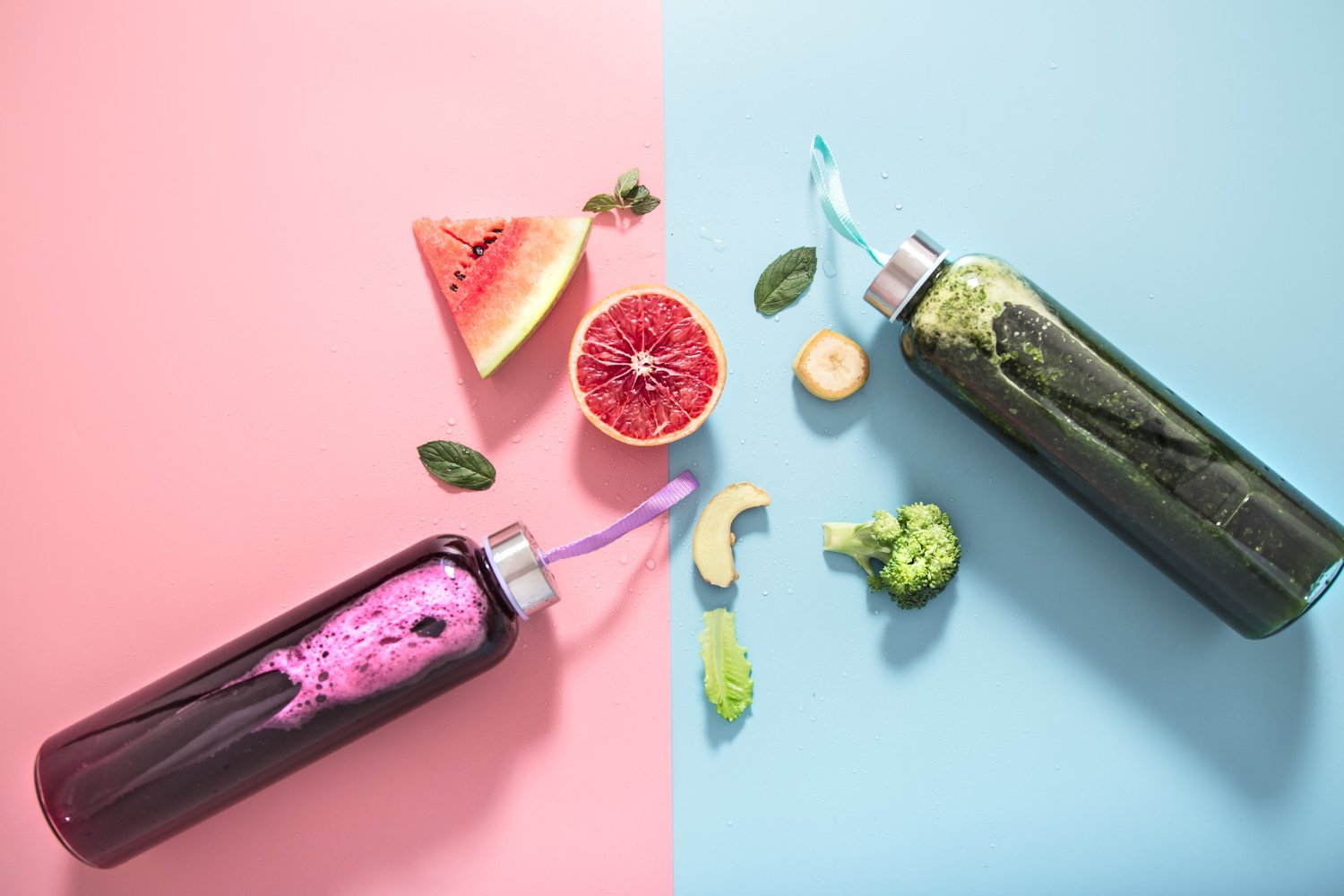
  • Liver Cleanse Detox: Your Complete Guide to 3-Day Juice Fast and Fasting for Detox

    Liver Cleanse Detox: Your Complete Guide to 3-Day Juice Fast and Fasting for Detox

    Liver Cleanse Detox—you’ve probably heard about while scrolling social media for fitness inspirations. Maybe you’ve even stumbled across a fancy Instagram reel showing vibrant juices and cheerful influencers claiming their 3-day juice fast changed their lives. Well, guess what? We’re about to demystify that hype, turning it into practical knowledge you can use without driving yourself (or your taste buds) crazy.

    So, buckle up—particularly if you’re a teen or young adult who’s been curious about fasting for detox after seeing it all over TikTok. In this guide, we’ll combine knowledge from French and Italian articles, sprinkle in some humor (because let’s face it, health topics can get boring if we don’t), and help you figure out if a 3 day juice fast or a simpler approach might be right for you. Let’s make your liver (and you) happy!

    (Disclaimer: This content is for informational purposes only and not a substitute for professional medical advice. Always consult a healthcare provider before making major changes to your diet.)

    Why a Liver Cleanse Detox?

    Your liver is like the unsung hero of your body. It’s working 24/7 to filter out toxins, process nutrients, and keep everything running smoothly. But let’s be real—sometimes it needs a little TLC. That’s where a liver cleanse detox comes in. Think of it as a spa day for your liver, but instead of cucumber slices on your eyes, you’re sipping on green juice.

    The 3-Day Juice Fast: What’s the Deal?

    A 3-day liver cleanse detox juice fast is exactly what it sounds like—you’re swapping out solid food for juice. But not just any juice. We’re talking fresh, nutrient-packed, homemade juices that are going to flood your body with vitamins, minerals, and antioxidants. It’s like giving your body a power wash from the inside out.

    Day 1: The Prep Day

    Before Liver Cleanse Detox you must cut caffeine or other harmful drinks

    Before you start your juice fast, it’s important to prep your body. This means cutting out processed foods, caffeine, and alcohol a few days before. Think of it as easing your body into the idea of a juice fast. You wouldn’t run a marathon without training, right? Same concept.

    Morning: Start your day with a glass of warm lemon water. It’s like a wake-up call for your liver.

    Mid-Morning: Green juice time! Blend up some kale, cucumber, celery, apple, and a squeeze of lemon. It might look like swamp water, but trust me, it’s delicious.

    Lunch: Another green juice, but this time add some ginger for a little kick. Ginger is like the Beyoncé of spices—it’s got that extra something.

    Afternoon Snack: Carrot and orange juice. Sweet, tangy, and packed with vitamin C.

    Dinner: Beetroot and apple juice. Beets are like nature’s multivitamin, and they give your juice a gorgeous color.

    Evening: Herbal tea to wind down. Chamomile or peppermint are great options.

    Day 2: The Deep Clean

    Liver cleanse detox effects cause crankness

    By now, your body is starting to get the hang of this juice thing. You might feel a little tired or even a bit cranky (hangry, anyone?), but that’s normal. Your body is detoxing, and that’s a good thing.

    Morning: Warm lemon water again. It’s like a hug for your liver.

    Mid-Morning: Spinach, cucumber, and pear juice. Spinach is packed with iron, and pears add a touch of sweetness.

    Lunch: Cucumber, celery, and apple juice. Simple, refreshing, and hydrating.

    Afternoon Snack: Pineapple and mint juice. Pineapple is like a tropical vacation in a glass, and mint adds a refreshing twist.

    Dinner: Kale, cucumber, and lemon juice. Kale is the king of leafy greens, and lemon adds a zesty punch.

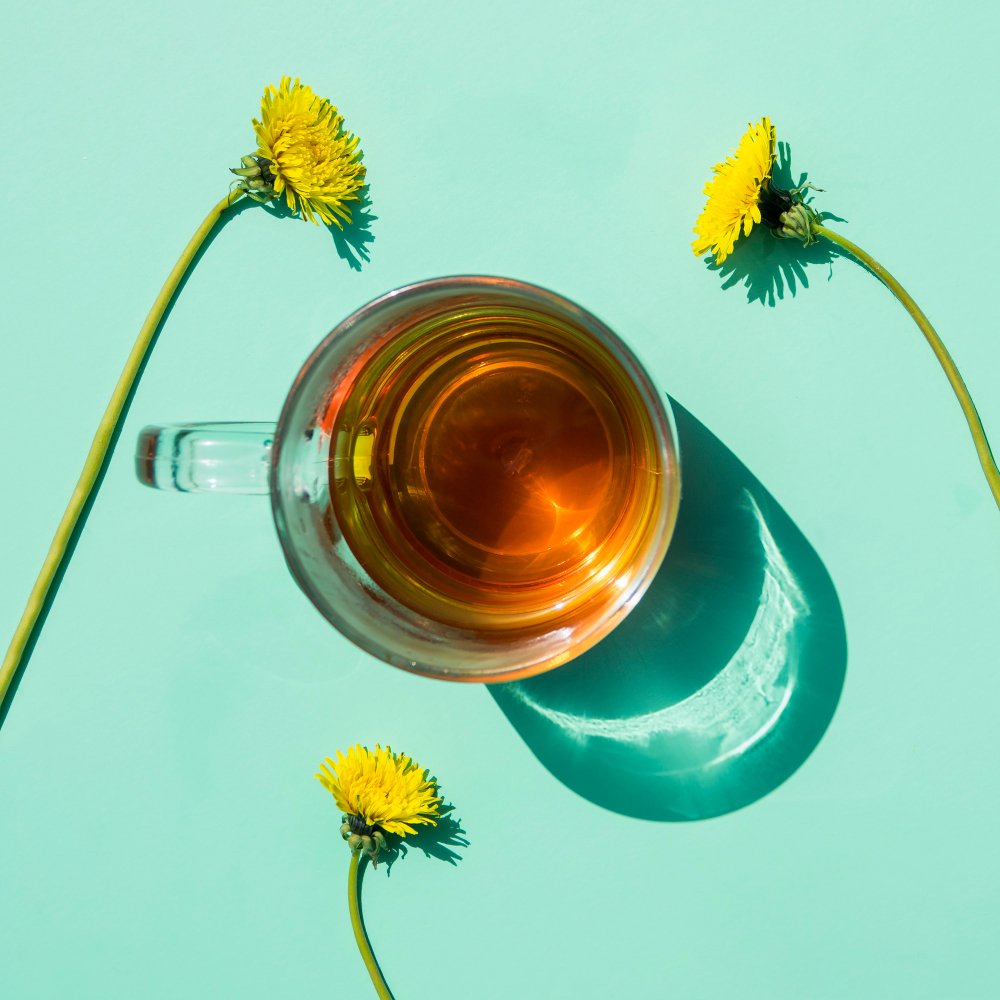
    Evening: Herbal tea again. Maybe try something new, like rooibos or dandelion root.

    Day 3: The Home Stretch

    Liver Cleanse Detox 3rd  day feels lighter

    You’re almost there! By now, you might be feeling lighter, more energized, and maybe even a little proud of yourself. Keep going; you’re doing great!

    Morning: You guessed it—warm lemon water. It’s become your morning ritual.

    Mid-Morning: Green juice with a twist—add some parsley for an extra detox boost.

    Lunch: Carrot, ginger, and orange juice. Sweet, spicy, and oh-so-good.

    Afternoon Snack: Watermelon and lime juice. Watermelon is super hydrating, and lime adds a tangy kick.

    Dinner: Beetroot, carrot, and apple juice. A colorful, nutrient-packed way to end your fast.

    Evening: Herbal tea to celebrate. You’ve made it through three days of juicing—give yourself a pat on the back!

    What to Expect After Your Juice Fast

    After your 3-day juice fast, it’s important to ease back into solid food. Start with light, easy-to-digest foods like soups, salads, and steamed veggies. Your body has been on a bit of a break, so don’t overwhelm it with a giant pizza right away (tempting as that may be).

    You might notice some changes in how you feel. Maybe you have more energy, your skin is clearer, or you just feel lighter and more focused. That’s the magic of a liver cleanse detox—it’s like hitting the reset button on your body.

    Tips for a Successful Juice Fast

    1. Stay Hydrated: Drink plenty of water throughout the day. Herbal teas are also a great option.
    2. Listen to Your Body: If you’re feeling really tired or lightheaded, it’s okay to have a small snack. This isn’t about punishing yourself—it’s about feeling better.
    3. Mix It Up: Don’t be afraid to experiment with different juice combinations. The more variety, the more nutrients you’ll get.
    4. Rest Up: Your body is working hard to detox, so make sure you’re getting enough sleep.
    5. Stay Positive: A juice fast can be challenging, but keep your eye on the prize. You’re doing something amazing for your body!

    The Science Behind Liver Cleanse Detox and Juice Fasting

    Now, let’s get a little science-y. Your liver is responsible for detoxifying your body, but it can get overwhelmed by the sheer amount of toxins we’re exposed to every day—pollution, processed foods, stress, you name it. A liver cleanse detox focused juice fast gives your liver a break, allowing it to focus on detoxifying and regenerating.

    Juices are packed with antioxidants, which help neutralize free radicals and reduce inflammation. They’re also rich in vitamins and minerals that support liver function. For example, vitamin C helps boost glutathione production, a key antioxidant that plays a crucial role in liver detoxification.

    Common Myths About Liver Cleanses

    Some common myths

    Myth #1: A Single Fast Cures Everything

    One 3 day juice fast isn’t a long-term solution. If you revert to greasy pizzas and sugary colas daily, your liver might be back to working overtime pretty soon.

    Myth #2: Detoxing Means Zero Calories

    Fasting for detox doesn’t mean you starve completely. In fact, extreme calorie restriction can stress your body. Juices still provide vitamins, minerals, and a modest amount of energy.

    Myth #3: All Juices Are Equal

    Store-bought juice that’s mostly sugar, preservatives, and artificial flavors? Probably not what your liver wants. Homemade or cold-pressed juices with fresh produce are more beneficial.

    Myth #4: Teens Don’t Need to Cleanse

    While it’s true that younger bodies are generally resilient, developing healthy liver habits early can prevent issues later. That said, talk to a healthcare professional if you’re under 18 and considering a fast.

    Potential Benefits and Cautions

    Benefits

    1. Bloat Reduction: People often report feeling less puffy around the waist.
    2. Taste Bud Reset: Cutting out sugary processed foods can help you better appreciate natural flavors.
    3. Mental Focus: Some claim mental clarity improves, though results vary.
    4. Energy Boost: Once you get past initial hunger, you might feel surprisingly energetic.

    Cautions

    1. Short-Term Weight Loss: It’s often water weight. If you go back to old habits, it’ll return.
    2. Nutrient Deficiencies: Extended fasting can lead to protein or essential fatty acid deficits if you’re not careful.
    3. Medical Conditions: If you have a chronic illness (like diabetes) or are on medication, consult your doctor first.
    4. Age Factor: Younger bodies might need more consistent nutrition. Talk to a trusted adult or professional before diving into a strict fast.

    Key Takeaways for Teens and Young Adults

    1. Balance First, Cleanse Second: A well-rounded diet with plenty of fruits, veggies, and lean proteins is the backbone of good health.
    2. Moderation is Cool: If you want to do a 3 day juice fast, great—just don’t rely on it as your only solution to health issues.
    3. Listen to Your Body: Headaches, dizziness, or feeling super irritable might be signs you need to adjust your approach.
    4. Stay Informed: Do your research, ask questions, watch how your body responds.
    5. Avoid Peer Pressure: Just because you see a million “cleanses” on social media doesn’t mean they’re all legit for you. Trust real science and your own experience.

    Taking Action Now

    You’ve just sifted through a ton of info about liver cleanse detox, 3 day juice fast techniques, and the concept of fasting for liver cleanse detox. If your head’s spinning, don’t worry—that’s normal for any big lifestyle topic. The key is to start small. Maybe you swap a soda for water tomorrow or add a green juice to your day. Perhaps you try a mini fast over the weekend. Or maybe you simply cut down on ultra-processed foods that weigh your system down.

    In the end, your liver is a loyal sidekick, working tirelessly to keep you healthy. Return the favor by making smart, balanced choices, staying informed, and having a little fun with it. After all, if your approach to health is too grumpy, you might burn out. Keep it light, keep it real, and keep your eyes on the prize: a body that feels good from the inside out.

    For deeper dives, here are some reputable sources (studies, theses, and university links) about nutrition, detox, and liver health:

    Intermittent Fasting: What is it, and how does it work?

    Information on maintaining a healthy lifestyle, including guidelines for dietary changes

  • Stomach Discomfort Foods: 7 Tummy-Friendly Ingredients to Soothe Your Gut

    Stomach Discomfort Foods: 7 Tummy-Friendly Ingredients to Soothe Your Gut

    Stomach Discomfort Foods can make all the difference when your tummy’s in turmoil. Raise your hand if you’ve ever woken up with an upset stomach, stared at your fridge, and had zero clue what to eat. Or maybe you’ve come home from school or work feeling like your belly is staging a mini-revolt. If you’ve nodded yes to any of these scenarios, you’re definitely not alone. Stomach discomfort is about as common as a TikTok dance challenge—everyone’s experienced it at some point.
    So, you might be wondering: What’s safe to eat when my tummy feels like it’s throwing a tantrum? Good news!

    Stomach Discomfort Foods cause tummy feels like it’s throwing

    I’ve gathered a few insights that can help you out and formed a list of foods are usually gentle on your stomach, easy to digest, and can sometimes help calm those pesky digestive woes. Let’s explore 7 good foods that can support your gut!

    (Disclaimer: This content is informational and not a substitute for professional medical advice. If you have severe or ongoing issues, always consult a doctor.)

    The Not-So-Secret Relationship Between You and Your Stomach

    Picture this: You’re scrolling your phone, checking out memes or texting your best friend. Meanwhile, your stomach is busy 24/7 digesting food, producing enzymes, and basically fueling your entire life. No biggie, right? But sometimes, you might be wishing you knew a little more about Stomach Discomfort Foods when your belly decides to protest unexpectedly.

    Some health experts, talk a lot about the importance of the “gut-brain axis.” In simpler terms, your gut and your mind are like BFFs with a secret language. Ever felt “butterflies” when you’re nervous, or had a “gut feeling” about something? That’s your belly and brain exchanging text messages—well, not literally, but you get the point.

    On the other hand, you might find references to the “digestive well-being pyramid.” It’s basically a way to visualize what your stomach likes: a balanced variety of foods, enough hydration, and a calm environment to let your digestive system do its job.

    But what happens when you’re not exactly kind to your stomach? Too many greasy snacks, not enough veggies, or a random late-night experiment with super spicy hot wings can leave your belly feeling, let’s just say, “less than content.” That’s exactly where Stomach Discomfort Foods come in, providing a bit of relief during times when your stomach needs a break.

    7 Stomach Discomfort Foods to Tame Tummy Troubles

    Let’s cut to the chase. Below are 7 good foods commonly recommended across different health articles for people dealing with stomach discomfort. These picks are generally mild, relatively bland (in a good way), and easy on digestion.


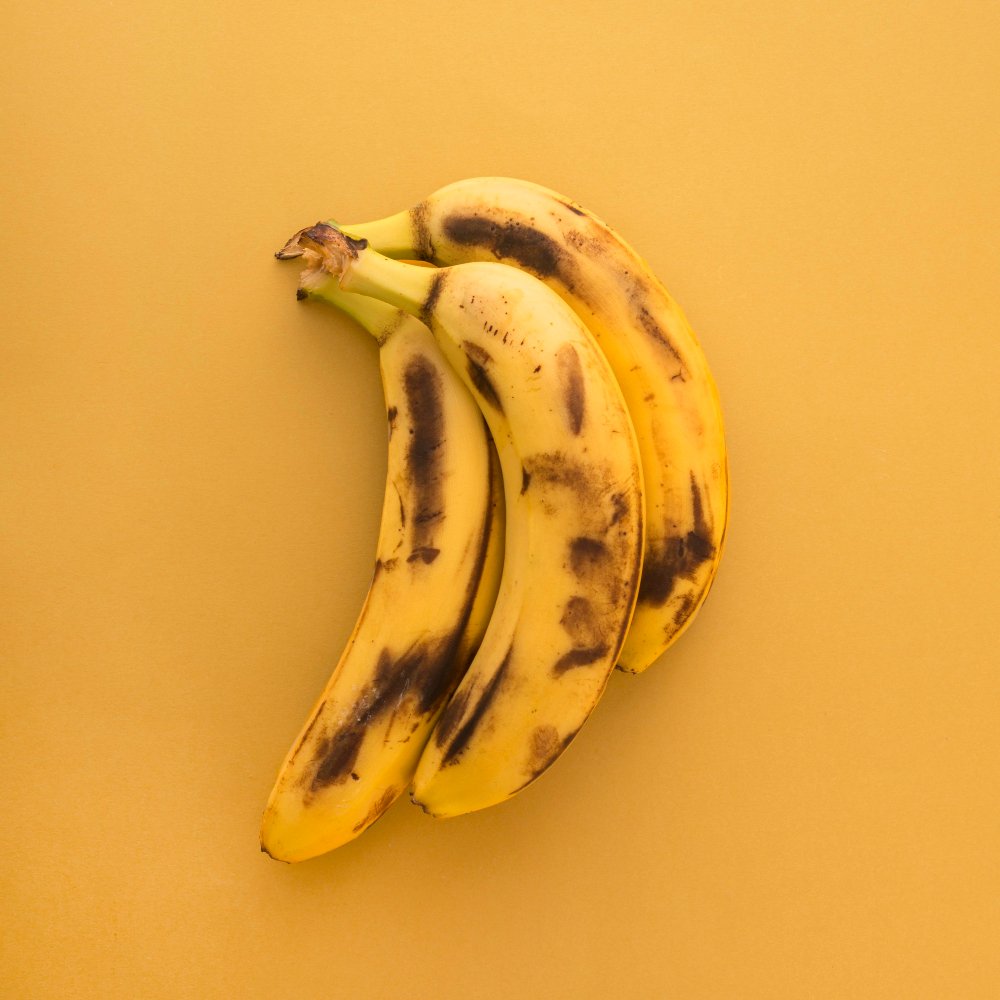
    Bananas

    Ah, the banana! It might be one of the easiest fruits to grab on the go. Bananas contain pectin (a type of fiber), which can help soak up excess acid in the stomach. They’re also loaded with potassium, which is especially helpful if you’ve had an upset stomach that’s left you feeling dehydrated or weak.

    Pro Tip: If you’re used to bright yellow bananas, consider letting them ripen a bit more. A banana that’s slightly more ripe can be easier to digest.

    How to Enjoy: Try slicing it onto toast or blending it into a gentle smoothie. If you’re feeling fancy, pair your banana with a small spoonful of peanut butter—but keep it light if your tummy’s sensitive.

    n the go. Bananas contain pectin (a type of fiber),

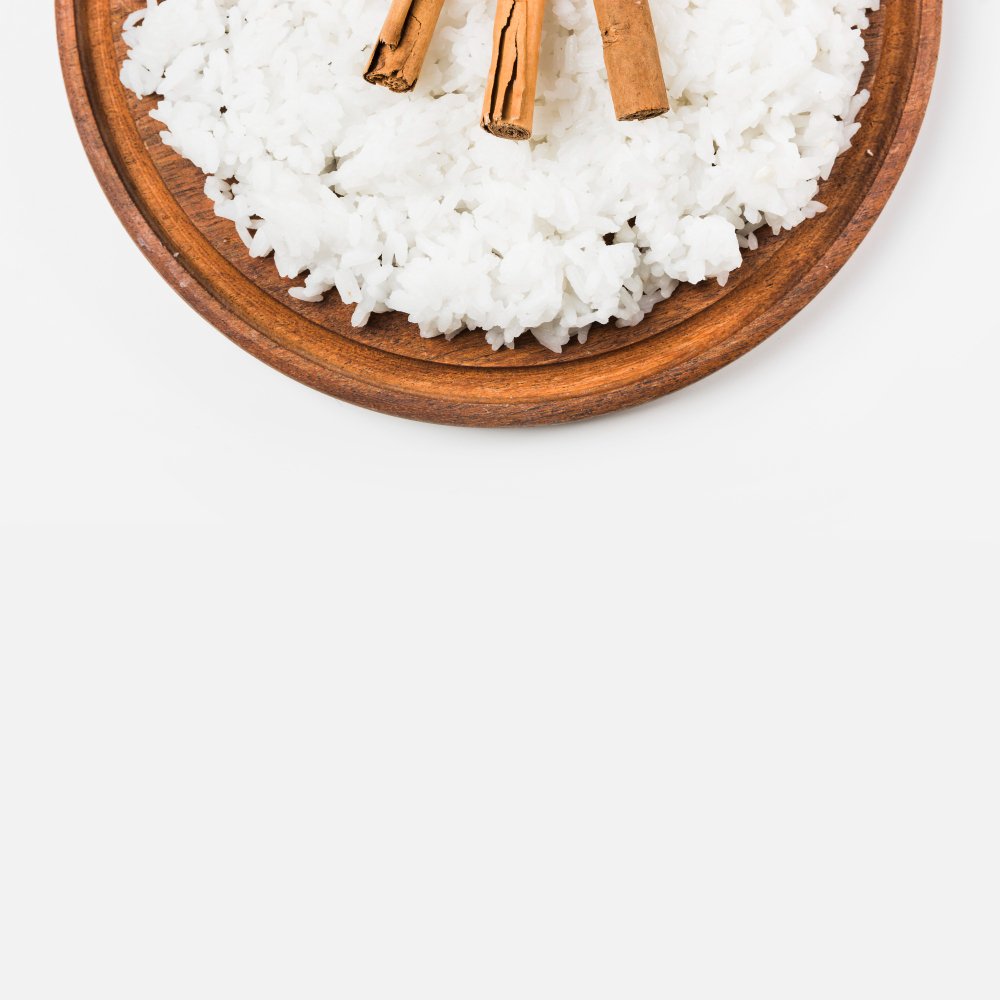
    Plain Rice (White or Simple Variations)

    People often mention the BRAT diet (Bananas, Rice, Applesauce, Toast) for upset stomachs. Rice—especially white rice—is gentle and easy on your system. It doesn’t have a strong flavor, which is perfect when your stomach’s in meltdown mode.

    Pro Tip: Basically boiled rice seasoned with just a pinch of salt or a drizzle of olive oil. Minimal but comforting.

    How to Enjoy: Cook it in plain water or a light broth. Avoid heavy sauces or spices. The simpler, the better.

    Plain rice to ease your stomach

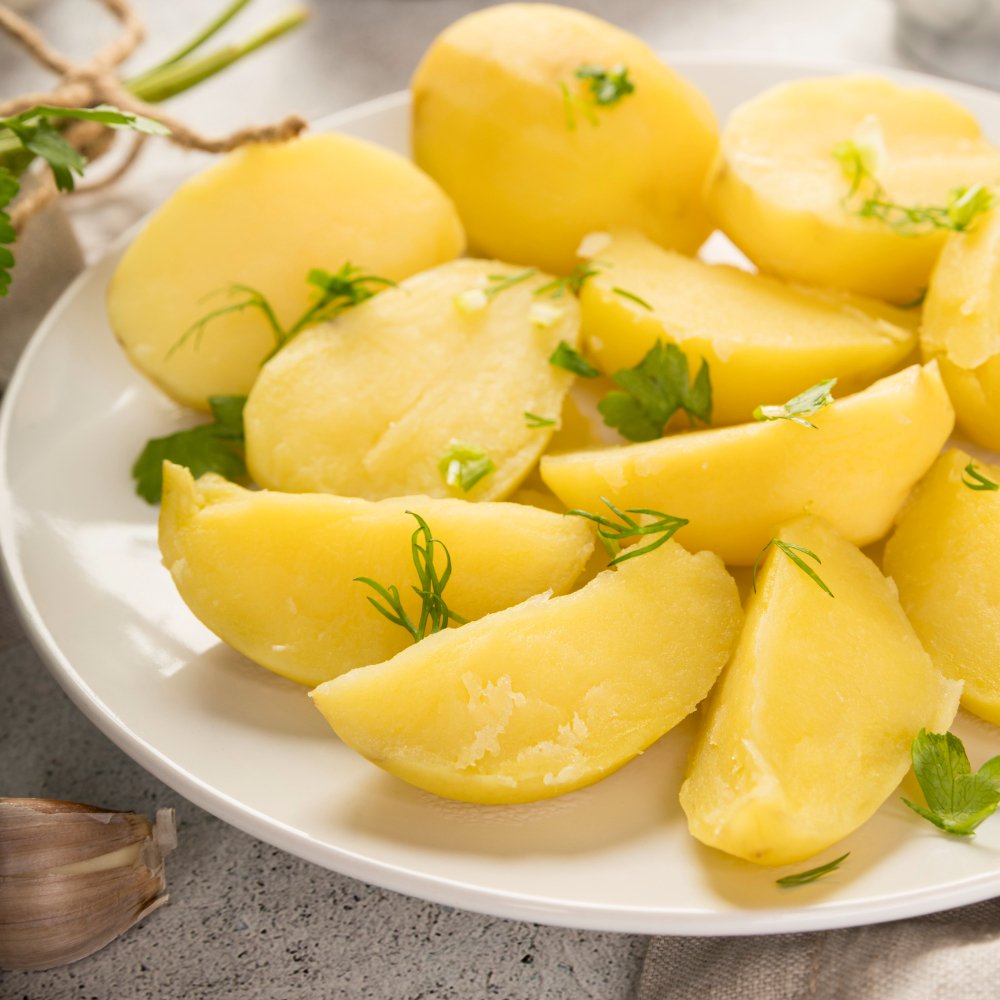
    Boiled or Steamed Potatoes

    Potatoes sometimes get a bad rap because of all the crispy, fried variations (yes, we’re looking at you, French fries). But when boiled or steamed, potatoes can be a stomach’s best friend. They’re starchy, mild, and can help absorb excess acid.

    Pro Tip: Pair them with a side of steamed veggies for a gentle, light meal that won’t weigh you down.

    How to Enjoy: Cook them thoroughly, mash them lightly with a bit of salt, or drizzle with a little olive oil. Avoid cream, butter, or heavy spices if you’re feeling queasy.

    boiled or steamed, potatoes can be a stomach’s best friend

    Natural Yogurt or Fermented Dairy

    Ever heard of probiotics? They’re basically beneficial bacteria that help keep your gut happy. Its often highlighted the importance of fermented foods. Natural or “plain” yogurt (especially with live cultures) can help restore the balance of gut flora.

    Pro Tip: If you’re lactose-intolerant, opt for lactose-free yogurts or dairy alternatives (like soy or coconut yogurt) with probiotic cultures.

    How to Enjoy: Go for the unsweetened kind to avoid extra sugar. If plain yogurt’s too tart, add a small drizzle of honey or slice a banana into it.

    importance of fermented foods and probiotics

    Chamomile Tea (or Other Gentle Herbal Teas)

    Okay, so chamomile isn’t a “food” in the strict sense, but no list of stomach-soothing picks is complete without it. In some cultures, chamomile tea or “camomilla” is practically a cultural staple for anyone feeling under the weather. This gentle brew can calm both nerves and tummy troubles.

    Pro Tip: Peppermint and ginger teas can also do wonders, but be careful with ginger if you have acid reflux, as it’s a bit spicy.

    How to Enjoy: Steep a bag of chamomile in hot water for about five minutes. Sip slowly. You can add a tiny bit of honey if you like sweetness.

    chamomile tea or “camomilla” can calm both nerves and tummy troubles

    Cooked Carrots (and Other Gentle Veggies)

    Raw veggies may irritate a sensitive stomach sometimes, especially if they’re super fibrous. Enter cooked carrots, which are softer on your gut and still bring essential vitamins like beta-carotene. Other gently cooked veggies (like zucchini, spinach, or peeled cucumbers) are also a good bet.

    Pro Tip: Some recipes suggest puréeing carrots with a bit of broth to create a gentle soup that soothes the stomach while giving you nutrients.

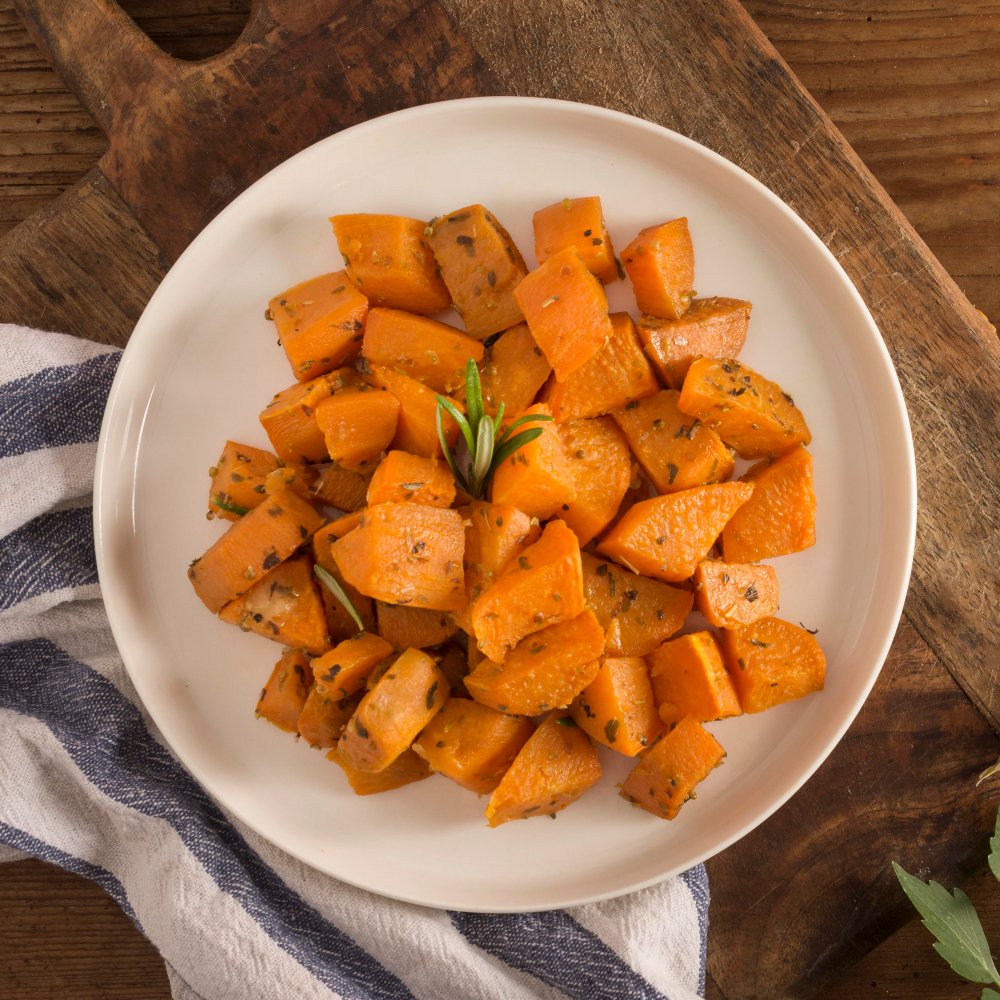
    How to Enjoy: Steam or boil carrots until they’re soft enough to mash with a fork. Season lightly with salt or mild herbs.

    cooked carrots, which are softer on your gut and still bring essential vitamins like beta-carotene.

    Applesauce or Baked Apples

    Last but not least: apples! Specifically, applesauce or lightly baked apples. Apple contains pectin (similar to bananas), which can help bind substances in your gut and may ease mild diarrhea or constipation.

    Pro Tip: A chunky sauce—great for sensitive stomachs.

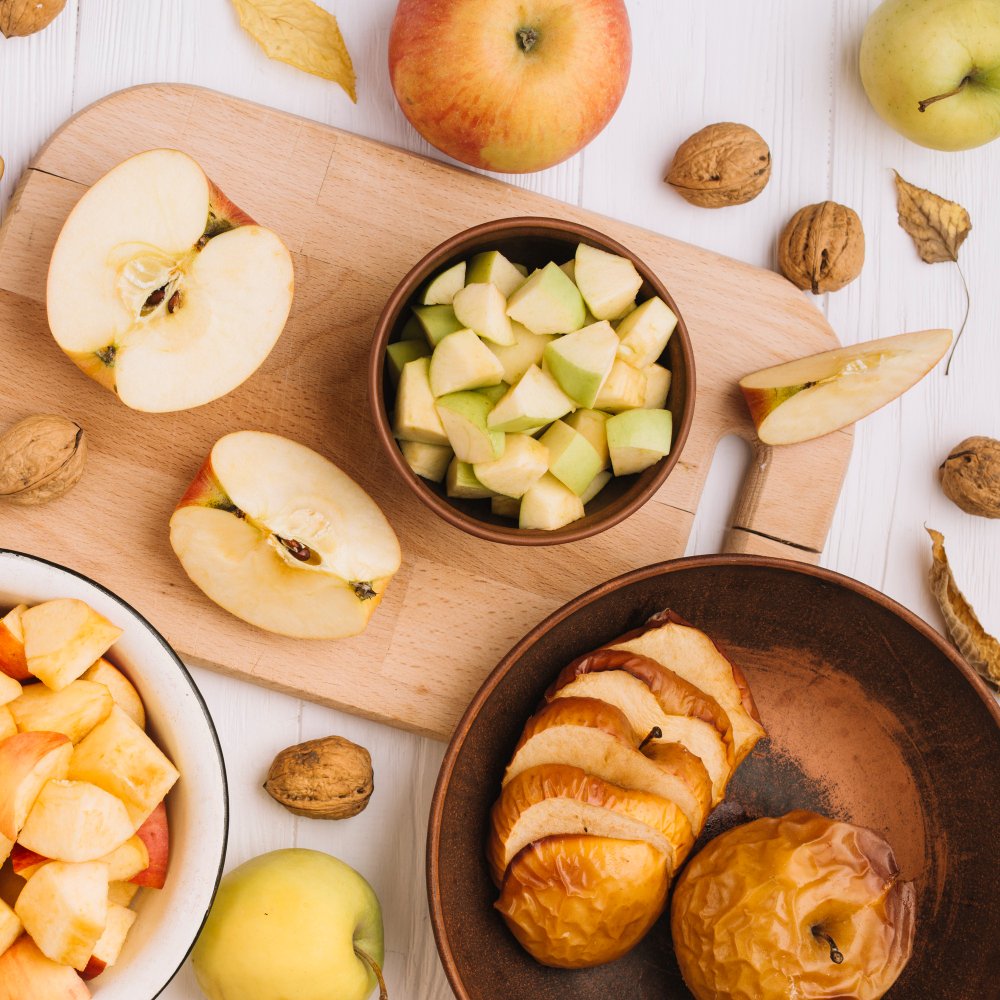
    How to Enjoy: Make homemade applesauce by peeling and simmering apples with a little water. Avoid adding tons of sugar. Or bake slices with a sprinkle of cinnamon for a delicious snack.

    Make homemade applesauce

    Tips for Healthy Eating Habits

    Portion Control and Mindful Eating

    Taking time to enjoy your meals can make a big difference. Instead of rushing, try smaller portions and savor each bite. Eating slowly and sitting down at a table helps prevent overeating, which can strain your stomach and lead to discomfort.

    Focus on Fresh, Simple Ingredients

    When your stomach is upset, opt for meals made with fresh, easy-to-digest ingredients. Think of light, nourishing options like plain grains, steamed vegetables, or a drizzle of healthy oils. Keeping meals simple and avoiding heavy, processed foods can help soothe your digestive system.

    Stomach-Friendly Lifestyle Hacks

    Let’s get real: It’s not just what you eat, but also how you live that impacts your belly.

    1. Slow Down, Speed Racer: If you’re gulping down your food faster than you can say “spaghetti,” you’re likely swallowing air and overloading your stomach. Taking time to chew can prevent gas and bloating.
    2. Stay Hydrated: Drink water throughout the day rather than chugging it all at once, especially during meals. This helps your digestive juices do their job more effectively.
    3. Move Around: A quick walk after lunch or dinner can help your digestion and reduce the sluggishness you feel when you flop onto the couch.
    4. Manage Stress: Exams, heartbreak, or a tough shift at work can all lead to tension. Studies (including those from a few psychological wellness journals) indicate that chronic stress can trigger tummy troubles. Try journaling or a little mindful breathing to keep anxiety at bay.

    Bonus: Food to Avoid When Your Tummy is Grumpy

    While we’re on the subject of “what to eat,” here’s a quick rundown of a few items you might want to skip if your stomach is already protesting:

    • Spicy Foods: Chili peppers, hot sauces, or anything labeled “spicy challenge.” Save that for a day when your stomach’s feeling braver.
    • Fried/Greasy Items: Burgers dripping in oil, fries, or onion rings can stress an already sensitive belly.
    • Dairy Overload: If you’re lactose intolerant or even mildly sensitive, heavy dairy (ice cream, milkshakes) can spell trouble.
    • Caffeine & Energy Drinks: While that triple espresso might give you superpowers during a study session, it can also lead to acid reflux or an upset stomach.
    • Carbonated Beverages: The fizz can result in gas buildup. If you already feel bloated, this won’t help.

    It’s not like you can never enjoy these again—just maybe not on the day you’re doubled over in discomfort.

    Bringing Humor to Stomach Aches

    When your stomach’s throwing a fit, it’s easy to be miserable and mope around. But a little humor can go a long way in brightening your mood, which indirectly helps your stress levels and thus your gut. Think of your stomach like a moody friend; sometimes it’s happy, sometimes it’s not—and you have to figure out what calms it down. A bit of banter or sharing silly memes might distract you from the discomfort, at least momentarily. And while you’re at it, don’t forget to stock up on Stomach Discomfort Foods that can help ease the tension.

    Imagine texting your friend, “My stomach is on vacation, but forgot to pack the chill pills.” Sure, it’s cheesy, but it might make you giggle—and less likely to hyper-focus on the pain. Or if you’re a fan of puns, you might say, “I guess my stomach is trying to digest some complicated feelings.” Groan-worthy? Absolutely. But it works! Pair that humor with some Stomach Discomfort Foods like bananas or chamomile tea, and you’ve got a winning combo to soothe both your mood and your gut.

    Conclusion: Embrace Your Inner Gut Whisperer

    Your body is always giving you clues about what it needs—kind of like an ongoing conversation between your belly and your brain. Learning to speak that language, or at least interpret it, can go a long way in preventing and easing stomach discomfort. The 7 foods we talked about—bananas, plain rice, boiled potatoes, natural yogurt, chamomile tea, cooked carrots, and applesauce—are simple, friendly, and often recommended by nutrition insights from both French and Italian practices.

    Moreover, healthy habits like mindful eating, staying hydrated, moving regularly, and managing stress can do wonders for your stomach health. Throw in a dash of humor, and you’ve got a solid recipe for a happier gut (and a happier you).

    The next time your stomach starts complaining, remember that there are gentle, tasty options out there. So, close that food delivery app that’s tempting you with triple-cheese pizza, take a deep breath, and consider giving your belly a break with something soothing. Sometimes, all it takes is a well-chosen snack or meal to help your system rebalance itself.

    Final Word of Advice: If your stomach issues become chronic or super painful, please don’t ignore them. Going to a healthcare professional for a check-up can be a game-changer. But for day-to-day minor troubles, these 7 foods might just be the sidekicks your stomach needs.


    Quick Recap: 7 Good Foods for Your Tummy

    1. Bananas — Great source of potassium, gentle fiber.
    2. Plain Rice — Mild, easily digestible (like “riso in bianco” in Italy).
    3. Boiled/Steamed Potatoes — Soothing, starchy comfort food.
    4. Natural Yogurt — Brings in the good bacteria (probiotics).
    5. Chamomile Tea — Calms nerves and tummy; a staple in many Italian households.
    6. Cooked Carrots — Cooked veggies are gentler than raw, loaded with nutrients.
    7. Applesauce or Baked Apples — Packed with pectin to help digestion.
  • Healthy Glowing Skin: Ultimate Skincare Routine

    Healthy Glowing Skin: Ultimate Skincare Routine

    Every great plan starts with a solid foundation, and skincare is no exception. If healthy glowing skin is your goal, you’ve come to the right place. Whether you’re just starting out or you’re a seasoned skincare enthusiast, this in-depth guide will help you cultivate daily habits that let your natural radiance shine through.

    Why Healthy Glowing Skin Matters

    Your skin is your body’s largest organ, and it does a lot more than just make you look good. It protects you from environmental factors, regulates body temperature, and even plays a role in your immune system. Achieving healthy glowing skin isn’t just about vanity—it’s about giving your body the support it needs to function at its best.

    • Protective Barrier: Skin shields you from pollution, UV rays, and other external aggressors.
    • Regulates Moisture: Properly hydrated skin retains water more effectively, reducing dryness and flakiness.
    • Boosts Confidence: A clear, radiant complexion can significantly impact how you feel about yourself.

    Building the Right Daily Skincare Routine

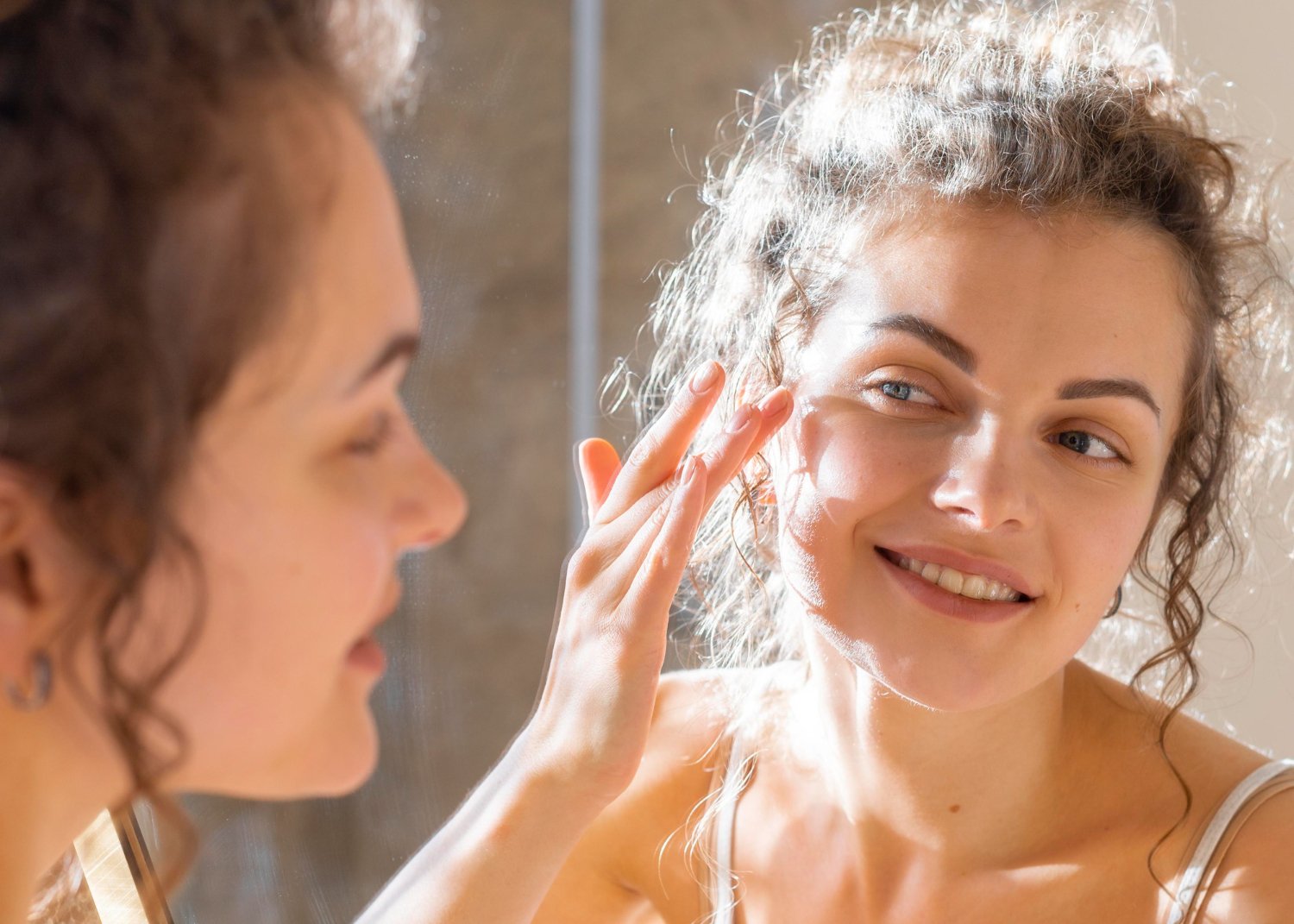
    Person gently cleansing their face for a healthy glowing skin routine

    Start with the Basics

    • Cleanse: Gently wash your face each morning and night to remove dirt, oil, and makeup. Look for gentle, pH-balanced cleansers that won’t strip your skin’s natural oils.
    • Moisturize: After cleansing, apply a moisturizer suited to your skin type. Hydration is key for healthy glowing skin, whether you have oily, dry, or combination skin.
    • Sunscreen: Never skip SPF! Harmful UV rays can lead to premature aging and dark spots. Opt for a broad-spectrum sunscreen of at least SPF 30 every day, even if you’re mostly indoors.

    Go Beyond the Basics

    • Exfoliation: Gentle exfoliation once or twice a week helps remove dead skin cells, promoting smoother, brighter skin. Avoid over-exfoliating, which can cause irritation.
    • Face Masks: Using a face mask at least once a week can tackle specific concerns like dryness, dullness, or breakouts. Choose a mask tailored to your current skin needs.
    • Targeted Treatments: If you have specific concerns—like acne, hyperpigmentation, or fine lines—incorporate serums or spot treatments to address those areas directly.

    (Remember to test new products gradually to avoid overwhelming your skin.)

    Healthy Habits for Healthy Glowing Skin

    What goes on inside your body often shows up on your skin. Here are some lifestyle pointers to keep in mind:

    Balanced Diet

    • Include plenty of fresh fruits, vegetables, whole grains, and lean proteins.
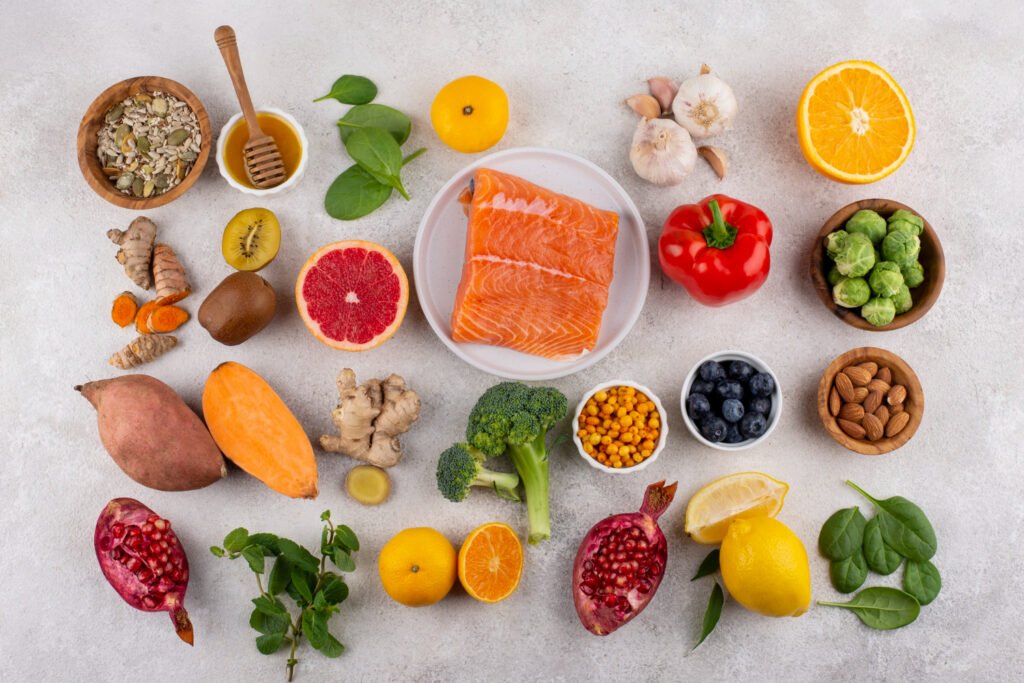
    • Foods rich in antioxidants (like berries and spinach) and healthy fats (like avocados and nuts) can enhance that sought-after glow.

    Stay Hydrated

    • Aim for about 6-8 glasses of water a day.
    • Herbal teas and low-sugar beverages also count. Hydration supports cell function and helps flush out toxins.

    Quality Sleep

    • Aim for 7–9 hours of sleep nightly. A consistent bedtime routine can improve both your skin and energy levels.
    • Lack of sleep can lead to dullness, under-eye bags, and breakouts—making healthy glowing skin harder to achieve.

    Regular Exercise

    • Movement boosts circulation, which delivers nutrients to skin cells.
    • Sweat also helps purge pores of toxins, contributing to a clearer complexion.

    Stress Management

    • Chronic stress increases cortisol, which can lead to breakouts and other skin issues.
    • Activities like yoga, meditation, or even a simple walk can help keep stress in check.
    Stress Management

    Identifying Bad Habits and Making Positive Changes

    It’s not just about adding new steps to your routine; sometimes it’s about cutting out harmful habits:

    • Smoking or Excessive Alcohol Use: Both can dull your complexion, contribute to wrinkles, and dehydrate your skin.
    • Skipping Meals or Eating Too Much Junk Food: Poor nutrition can weaken your skin’s barrier, making it more prone to issues like acne and dryness.
    • Sleeping in Makeup: This traps dirt and oils against your skin, leading to clogged pores and breakouts. Always remove makeup before bed.

    By recognizing these pitfalls, you can course-correct and solidify your path toward healthy glowing skin.

    Step-by-Step: Turning Knowledge into Action

    1. Ask Yourself the Basics

    • What does your daily diet look like?
    • How many meals do you eat, and when?
    • Do you smoke, drink alcohol, or consume sugary drinks often?

    2. Evaluate Your Sleep and Exercise

    • Are you getting 7–9 hours of restful sleep?
    • Do you have a consistent workout schedule?

    3. Examine Your Skincare Habits

    • Do you cleanse every day?
    • Are you removing makeup before bed?
    • Do you use targeted treatments for specific concerns?

    4. Make Changes Gradually

    • If you’re brand-new to skincare, start with a simple cleanse-moisturize-protect routine.
    • Add masks or exfoliation once you’re comfortable with the basics.
    • Introduce serums or creams for acne, hyperpigmentation, or fine lines as you get more advanced.

    Embracing Ongoing Renewal

    Your skin replaces itself roughly every two months, meaning the cells you see today won’t be around forever. This natural renewal is why exfoliation and consistent care are so important.

    Visual representation of skin cell renewal cycle
    • Gentle Exfoliation: Removes older cells on the surface, helping new ones come through.
    • Hydration and Nutrition: Feed new cells from within by drinking water and eating nutrient-dense foods.
    • Consistency is Key: Real change happens over weeks and months, not days. Stick with your routine to see lasting results.

    Conclusion: Putting It All Together

    Healthy glowing skin isn’t about perfection—it’s about consistent, mindful practices that nurture your body’s largest organ. From daily cleansing to balanced meals and proper rest, it all works together. Take the time to tailor your routine to your unique needs, and remember that patience pays off. In a few weeks or months, you’ll begin to notice that your skin reflects the care you’ve been investing in it all along.

    Now’s the time to start implementing these tips—your skin will thank you for it!

  • Nighttime Snacking: 10 Mistakes that sabotage your weight loss strategy

    Nighttime Snacking: 10 Mistakes that sabotage your weight loss strategy

    When you’ve tried everything counting calories, hitting the gym, even taking mindful eating tips to heart, but still can’t seem to shed the pounds, it’s time to shine a spotlight on one often-overlooked culprit: nighttime snacking. Late-night nibbling might feel comforting after a long day, but it’s also one of the biggest weight loss mistakes people make without realizing it. Below, we’ll dig into why this habit can be so damaging, how it relates to other lifestyle factors like sleep and stress, and what you can do to curb those midnight munchies.

    How Nighttime Snacking Harms Your Weight Loss Goals

    The Connection Between Nighttime Snacking and Metabolism

    Have you ever heard the phrase,

    Don’t eat after 8 PM or it turns straight to fat”?

    While that’s a bit of an oversimplification, it’s true that your body burns fewer calories when you’re winding down for the day. Late-night eating can throw off your digestion and disrupt the natural cycle of burning calories. In many cases, nighttime snacking is also tied to skipping meals and metabolism issues. If you skip breakfast or lunch, you might overcompensate at night, only to have your body store those extra calories when you’re at rest.

    Stress Eating and Weight Gain

    If you’re stressed, it’s natural to seek comfort foods, often sweet or fatty snacks that provide a brief hit of happiness. The problem is, stress eating and weight gain go hand in hand. Cortisol, the hormone linked to stress, can ramp up fat storage, especially around your midsection. When you pair high stress with the mindless habit of nighttime snacking, the weight can creep on faster than you’d expect.

    Lack of Sleep cause Weight Gain

    Lack of Sleep Weight Gain

    There’s a reason experts call sleep a key pillar of health: a lack of sleep not only affects your mood and energy, but it can also lead to weight gain. Research shows that when you’re sleep-deprived, you tend to crave more calorie-dense foods. You’re also more likely to give in to late-night hunger pangs, because you feel too tired to fight the urge.

    This creates a vicious cycle:

    Eat late → sleep poorly → get hungrier → eat late again.

    Nighttime Snacking as One of the Major Weight Loss Mistakes

    1. Mindless Eating

    It’s easy to zone out when you’re scrolling social media or binge-watching your favorite series. The next thing you know, half a bag of chips is gone. This kind of mindless munching is a prime example of weight loss mistakes that sabotage progress without you even noticing.

    2. Emotional Comfort

    Nighttime often means fewer distractions, which can bring up feelings of loneliness, boredom, or anxiety. Food becomes a comforting companion. Recognizing these emotional triggers is a big step in breaking the cycle.

    3. Extra Calories, Fewer Nutrients

    Let’s be honest—late-night snacks aren’t usually fresh salads. They’re often calorie-dense, nutritionally empty foods. Over time, those extra calories add up, causing slow but steady weight gain.

    Mindful Eating Tips to Tackle Nighttime Snacking

    Plan a Light Evening Meal

    Instead of skipping dinner (which can backfire later), choose a balanced meal with lean protein, whole grains, and veggies. This helps stabilize your blood sugar and reduces the urge to graze at night.

    Set a “Kitchen Curfew”

    Decide on a cutoff time, say 8 or 9 PM, when the kitchen is off-limits. Enjoy a calming cup of herbal tea if you need something to wind down.

    Keep Healthy Options on Hand

    Healthy Late-Night Snack Options

    If you absolutely must snack, have nutrient-rich items ready—think apple slices with peanut butter or unsweetened yogurt with berries. This strategy aligns with mindful eating tips and helps prevent impulse junk food binges.

    Address Underlying Stress

    Feeling anxious or overwhelmed? Instead of reaching for chips, try a quick walk, some deep breathing exercises, or a short journaling session. Learning to manage stress can curb those cravings that lead to stress eating and weight gain.

    Conclusion

    Nighttime snacking might seem like a harmless habit, but it’s often at the root of stubborn weight issues. By identifying the triggers—be they stress, poor sleep routines, or simply not eating enough during the day, you can break free from this sneaky challenge. Experiment with setting a reasonable dinner time, stocking healthier options, and practicing mindful eating tips. You’ll soon notice how tackling this one habit can transform your entire weight-loss journey.

  • Magnesium for Hair Growth: The Surprising Way to Get Healthier, Stronger Strands

    Magnesium for Hair Growth: The Surprising Way to Get Healthier, Stronger Strands

    Magnesium for hair might sound like a strange focus, but if you’ve been chasing healthier, stronger locks, this mineral could be the missing puzzle piece. I used to think fancy shampoos and conditioners did the trick, but it turns out hair health is all about the total package—from nutrition and stress levels to how well we pamper our strands every day. Ready to learn why magnesium is so important? Let’s jump in!

    Why Magnesium for Hair Matters?

    Magnesium isn’t just any mineral, it’s essential for many processes in our bodies, including those that keep our hair happy and growing. If you’ve tried every serum or deep-conditioning mask under the sun but still aren’t seeing the results you want, magnesium for hair might be your next secret weapon.

    • Better Circulation: Magnesium supports good blood flow to the scalp, which helps your hair follicles get the nutrients and oxygen they need.
    • Scalp Health: Because it has anti-inflammatory properties, magnesium may soothe common issues like dandruff or scalp irritation.
    • Stress Control: Stress wreaks havoc on hair, often causing it to thin or shed. Magnesium helps regulate cortisol (the stress hormone), reducing hair fallout.
    Magnesium for Hair Growth Benefits

    How Magnesium for Hair Supports Growth

    • Nutrient Absorption

    Magnesium helps your body absorb other vital nutrients—like vitamin D and calcium—that keep hair follicles strong and vibrant.

    • Combats Hair Loss:

    Magnesium helps your body absorb other vital nutrients—like vitamin D and calcium—that keep hair follicles strong and vibrant.

    • Promotes Keratin Production:

    Your hair is primarily made of keratin, and magnesium plays a part in the processes that build this tough, protective protein.

    Easy Ways to Add Magnesium for Hair

    If you’re wondering how to actually get more of this mineral into your life, here are some tried-and-true methods:

    Dietary Sources

    Load up on spinach, almonds, chia seeds, and avocado—these foods are all stars when it comes to natural magnesium content.

    Magnesium-Rich Foods for Hair Health

    Supplements

    If you’re struggling to hit your magnesium goals through food alone, consider supplements like magnesium citrate or glycinate. Always check with a healthcare professional before jumping on a new supplement.

    Magnesium-Infused Hair Products

    Some shampoos and conditioners contain magnesium to nourish your scalp topically. Give them a try if you’re looking to enhance your regular hair-care routine.

    Epsom Salt Baths

    Epsom salt (magnesium sulfate) baths can help your body absorb magnesium through the skin. While it might not instantly transform your hair, it’s a great way to reduce stress—one of the biggest culprits behind hair problems.

    Applying Magnesium Shampoo to Enhance Hair Growth

    Other Essential Nutrients Along with Magnesium for Hair

    Magnesium isn’t the whole story, your hair also benefits from an entourage of other nutrients:

    • Iron: Helps deliver oxygen to hair follicles, so they stay strong and lively.
    • Zinc: Aids in repair and maintenance of healthy hair tissue.
    • Selenium: A powerful antioxidant that can protect hair from environmental damage.
    • Biotin: Key to supporting keratin production for thicker, shinier hair.

    Balancing these nutrients with magnesium for hair can create the perfect environment for growth, strength, and shine.

    Conclusion

    When it comes down to it, magnesium for hair is about more than just hoping for a magical cure—it’s about taking a holistic approach to healthier, happier strands. By boosting scalp circulation, reducing stress, and helping you absorb other vital nutrients, magnesium plays a powerful (yet often overlooked) role in hair care.

    Whether you opt for dietary tweaks, supplements, or that shampoo infused with magnesium, adding more of this mineral to your routine might be the spark your hair has been waiting for. Just remember to chat with a professional if you’re making big changes to your diet or starting any new supplements. Here’s to healthier, stronger hair for all of us!

  • How to Apply Face Mask: A Complete Guide to Using and Removing Face Masks Effectively

    How to Apply Face Mask: A Complete Guide to Using and Removing Face Masks Effectively

    How to apply face mask correctly is essential to achieve glowing and healthy skin. A face mask can provide an instant boost of hydration and nourishment when used the right way. Whether you need a hydrating, plumping, or purifying mask, there are various types available, such as cream, gel, or sheet masks.

    In this guide, we’ll explore how to apply a face mask effectively and ensure you get the most out of your skincare routine.

    Why You Should Learn How to Apply a Face Mask Properly

    Well, our skincare routine includes essential steps for cleansing and hydrating the skin. However, beyond removing makeup and moisturizing the face and eye area, our skin often needs an extra attention.

    A face mask addresses the skin’s needs immediately and effectively. If your skin feels dry and dull, a hydrating face mask can replenish moisture, while a purifying face mask can help detoxify and clear pores. Learning how to apply a face mask will help you choose the right type and achieve the best results.

    Key Benefits of Using a Face Mask

    Wondering why you should include a face mask in your skincare regimen? Here are some major benefits:

    • Instant Skin Boost: Face masks contain a high concentration of active ingredients that work quickly to enhance skin texture and hydration.
    • Easy Application: Whether it’s a cream, gel, or sheet mask, applying a face mask is effortless and delivers results in just a few minutes.
    • Variety for Every Skin Type: From anti-aging to brightening masks, there’s a perfect fit for every skin need.
    • Relaxation at Home: Using a face mask provides a spa-like experience, especially when infused with essential oils and natural scents.

    Whether you’re preparing for an event or simply pampering yourself, applying a face mask can make your skin feel rejuvenated and glowing.

    How to Apply Face Mask for Best Results

    Double Cleansing Before Face Mask
    Closeup portrait of young woman with acne on her forehead, looking at the bathroom mirror with worried expression, posing with naked shoulders, beauty procedures.

    No matter the type of face mask, there is one golden rule: never apply it over makeup. The first step is to cleanse the face and remove any traces of makeup. A double cleansing method (oil-based and foaming cleanser) with plenty of lukewarm water is recommended, followed by toner to ensure the skin is perfectly clean.

    By removing all traces of makeup, pollution, and dust, the skin will be more receptive to the mask’s active ingredients.

    Cream or Gel Mask

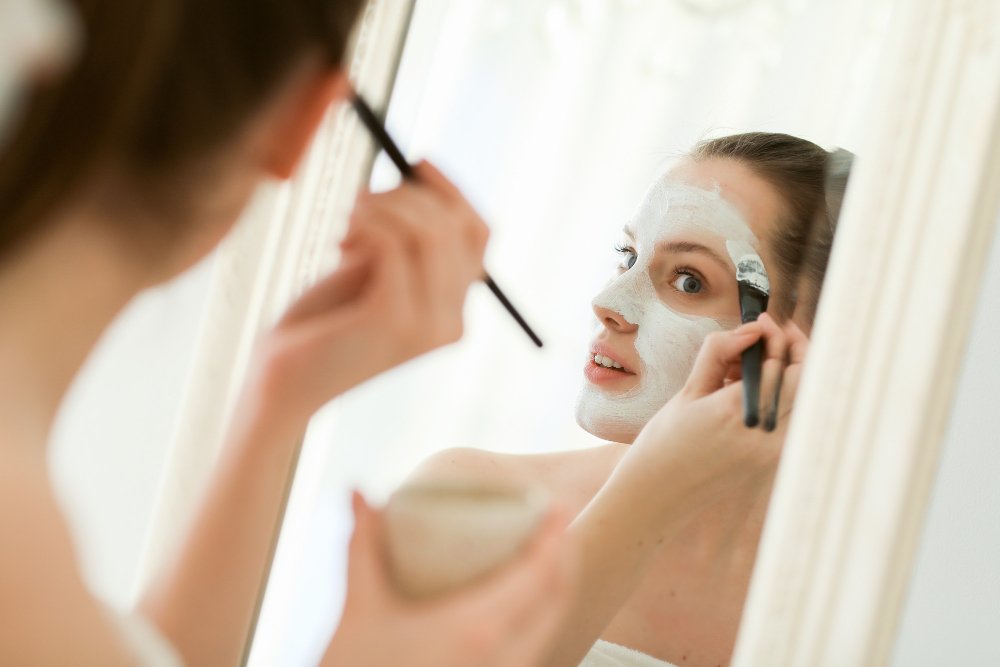
    A cream or gel mask should be applied to cleansed skin, preferably using a brush for even distribution across the face. Another option is to apply it with hands for convenience.

    face mask skincare routine

    It is essential to avoid the eye and lip areas. After the recommended time, rinse it off with lukewarm water and gently pat the face dry with a soft microfiber towel.

    Some cream masks are designed to be left on overnight, offering deep hydration and rejuvenation while you sleep. Enriched with Life Plankton, a powerful active ingredient, these masks leave your skin radiant and well-moisturized by morning. For best results, apply twice a week to achieve a refreshed and hydrated appearance.

    Sheet Mask

    Sheet masks are single-use and disposable. The fabric is usually soaked with a formula rich in active ingredients. Always apply it to cleansed skin and leave it on for the recommended time. Unlike cream masks, sheet masks do not require rinsing after removal. Instead, the remaining serum should be gently massaged into the skin until fully absorbed.

    Pro Tips to Maximize the Benefits of Your Face Mask

    To get the most out of your face mask routine, keep these tips in mind:

    • Choose the Right Mask: Select a mask based on your skin type, hydrating for dry skin, purifying for oily skin, or soothing for sensitive skin.
    • Use the Right Frequency: Apply masks 1-3 times a week for best results without overloading your skin.
    • Follow Up with Moisturizer: Lock in the benefits by applying a lightweight moisturizer after the mask.
    • Stay Consistent: Regular use of face masks enhances long-term skin health and glow.

    Conclusion

    Knowing how to apply a face mask correctly can make a huge difference in your skincare routine. Whether you prefer a hydrating sheet mask for an instant glow or an overnight cream mask for deep nourishment, using the right mask at the right time can help achieve flawless skin.

    Make face masks a regular part of your self-care routine and enjoy the benefits of healthier, radiant skin.

  • Quick Weight Loss Tips: Proven Tips and Strategies

    Quick Weight Loss Tips: Proven Tips and Strategies

    Quick weight loss tips are essential for individuals aiming to shed excess pounds swiftly and effectively and this is undeniably one of the most frequently asked question on the internet, and has been for a long time. Losing a significant amount of weight as quickly as possible is technically achievable. In fact, as time goes by, more and more solutions are emerging to address this challenge. Although the journey can often be tedious, those who succeed serve as a great source of inspiration, proving that with a little effort, you can finally feel great in your own skin!

    To support you in your weight loss journey, we’ve gathered a list of easy-to-implement tips to help you shed pounds in a short time. Get ready, because reaching your goal will require a significant overhaul of your daily habits.

    Steps to Lose Weight Quickly

    Eat Better, Not Less

    Improving your eating habits is the most influential factor in weight loss, regardless of how quickly you want to see results. Eating the right foods accounts for 80% of the effort. So how do you do it? What foods should you eat? Which ones should you avoid? How can you control cravings? We will guide you in finding the best dietary choices for fast and sustainable weight loss.

    Do NOT Skip Meals

    First things first—eating less is not the solution! Skipping meals is actually a mistake. Your body needs a consistent supply of nutrients to function properly. Otherwise, you will end up snacking throughout the day. The key is to eat at regular intervals while consuming nutrient-dense foods that provide enough energy for your weight loss journey.

    Choose Whole, Natural Foods

    Prioritise whole foods that are free from industrial processing. Say goodbye to highly processed meals, which are full of unhealthy fats and added sugars. Instead, focus on eating simple meals composed of fiber-rich vegetables, lean meats, low-sugar fruits, whole grains, and healthy fats such as olive oil and nuts.

    Avoid Sugar in All Forms

    Cutting out sugar is essential for weight loss for several reasons. First, sugar provides empty calories without essential nutrients, increasing your overall caloric intake without any real benefit. It also causes blood sugar spikes followed by rapid drops, which stimulate hunger and cravings, making it harder to control appetite. Additionally, sugar disrupts hormones like leptin, which signals fullness, leading to overeating. Reducing sugar intake helps regulate appetite, minimize fat storage, and improve overall health, making weight loss more effective and sustainable.

    How to Manage Hunger

    There are two effective ways to curb hunger

    • Incorporate hunger-suppressing foods into your meals.
    • Opt for special weight-loss-friendly snacks.

    Either way, it’s all about smart food choices that keep you satisfied while helping you stay on track.

    Stay Hydrated (But Wisely)

    Person drinking water as part of quick weight loss tips

    Drinking enough water plays a crucial role in boosting metabolism. Did you know that water can help you burn calories even when you’re doing nothing? Drinking an adequate amount of water daily can help curb unnecessary snacking by providing a feeling of fullness.

    To maximize your weight loss efforts, aim to drink 1.5 to 2 liters of water per day, depending on your activity levels and individual needs. Water also helps eliminate toxins and improves digestion, both of which aid in losing weight effectively.

    Since we’re on the topic of hydration, let’s explore other drinks that can support your weight loss goals:

    Coffee: Boosts metabolism and provides an energy boost through adrenaline stimulation, helping you stay active and burn more calories. Some people also experience a reduced appetite after consuming coffee.

    Green Tea: Packed with antioxidants, especially catechins, which enhance fat burning and increase thermogenesis—the process by which the body generates heat and burns calories. Its caffeine content also contributes to higher energy expenditure.

    Say No to Alcohol: If you want to lose weight quickly, eliminating alcohol from your routine is crucial. Alcohol is loaded with calories (from sugars and fats) and slows down the body’s ability to burn fat. When you drink alcohol, your body prioritizes metabolizing it over burning fat, leading to fat accumulation and a slower metabolism. Moreover, alcohol increases appetite, making weight loss even more challenging.

    Get More Sleep

    Sleeping habit is most important among quick weight loss tips

    Yes, the quality of your sleep has a huge impact on your ability to lose weight quickly. Why? Because sleep affects the hormones that regulate hunger, such as leptin and ghrelin. When you don’t get enough sleep, your ghrelin levels increase (making you feel hungrier), while leptin levels decrease (making you feel less full). This can lead to overeating, especially cravings for sugary and fatty foods.

    Lack of sleep also slows down metabolism, making fat burning less efficient. On the other hand, a good night’s sleep helps with muscle recovery after exercise, which can further promote fat loss.

    To lose weight effectively, aim for 7 to 9 hours of restful sleep every night. So, the next time you think about binge-watching your favorite show, consider prioritising your sleep instead!

    Exercise… or Not

    Quick weight loss tips: Exercise over comfort

    Do you think you can skip exercise? Well, you might not be entirely wrong. Physical activity is a powerful tool for speeding up weight loss, but it’s not the only solution. We understand that establishing a regular exercise routine may be difficult for some people. If that’s the case for you, focus on dietary changes and other lifestyle modifications to achieve your weight loss goals.

    Losing Weight with Exercise

    For those who want quicker results, incorporating at least one hour of physical activity into your daily routine can help accelerate weight loss. Whether it’s cardio, strength training, or even brisk walking, every bit counts.

    Losing Weight Without Exercise

    Let’s be honest—losing weight without exercise is more challenging, but not impossible. Remember the 80/20 rule—diet contributes 80% to weight loss, while exercise makes up the remaining 20%. If you choose not to exercise, you’ll need to be more disciplined in your dietary choices and daily habits. However, staying physically active remains important for overall well-being, so try to incorporate movement into your routine whenever possible.

    Conclusion

    Losing weight quickly requires a combination of smart dietary choices, proper hydration, adequate sleep, and lifestyle adjustments. While exercise can accelerate the process, it’s not mandatory if you focus on maintaining a balanced, nutritious diet and staying committed to your goals. With consistency and determination, achieving a healthier and fitter version of yourself is within reach.

  • Dream Lashes: Essential Lash Care Tips for an Intense Gaze

    Dream Lashes: Essential Lash Care Tips for an Intense Gaze

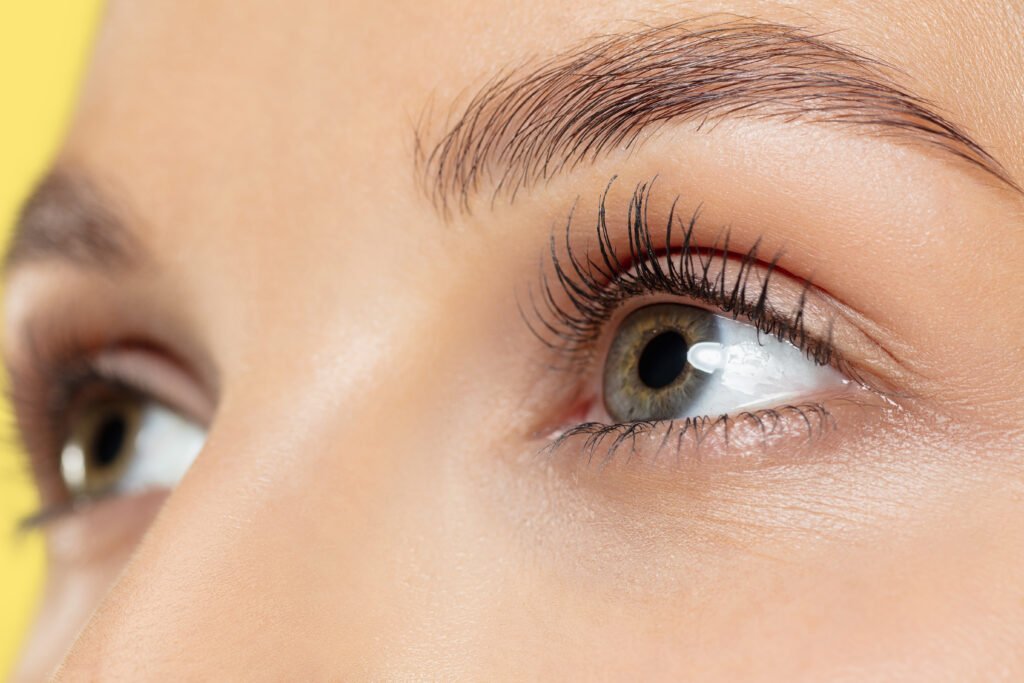
    Achieving long, thick, and healthy eyelashes is a significant beauty advantage that can intensify your gaze and enhance your facial features. But how can you attain and maintain naturally stunning lashes? In this article, we reveal a variety of lash care tips to help you nurture your eyelashes, providing them with the strength and beauty they deserve.

    One of the best lash care tips is to gently remove makeup and ensure proper hydration

    Gentle Makeup Removal and Hydration: Essential Lash Care Tips

    Proper makeup removal is crucial for lash health. Gently eliminate makeup and impurities accumulated throughout the day. Choose an eye-specific makeup remover with a mild, non-irritating formula. Micellar waters and natural cleansing oils are particularly recommended alternatives.

    Hydration plays a vital role in maintaining lash vitality. Apply a moisturizing treatment designed for lashes, such as a balm or serum, both morning and night. Additionally, nourishing vegetable oils like castor oil or sweet almond oil can be applied using a cotton swab or a clean brush to keep your lashes hydrated and strong.

    Balanced Diet and Nutritional Supplements

    One of Best Lash Care Tips: Balanced Diet and Nutritional Supplements

    A well-rounded diet rich in essential nutrients supports the overall health of your eyelashes. Focus on foods high in vitamins B, C, and E, as well as omega-3 fatty acids. Incorporate fresh fruits and vegetables, fatty fish, eggs, nuts, and seeds into your meals to promote strong and healthy lashes.

    If you experience dietary deficiencies, consider taking specific nutritional supplements aimed at enhancing lash health. These supplements, typically formulated with vitamins, minerals, and fatty acids, can help strengthen and fortify your lashes from within.

    Specialized Care and Beauty Techniques

    In addition to daily makeup removal and hydration routines, numerous specialized treatments can enhance your lashes.

    Lash Lifting provides a natural curl to your lashes, offering a wide and intense gaze without the need for an eyelash curler. Lash Tinting darkens your lashes, making them appear fuller and more defined without the application of mascara.

    For those seeking dramatic volume and length, Lash Extensions are an excellent option. These extensions can transform your natural lashes, providing a glamorous and eye-catching look.

    Fortifying Lash Serums are innovative products designed to nourish and stimulate lash growth. Enriched with ingredients like peptides, biotin, and botanical extracts, these serums are clinically proven to thicken, lengthen, and darken lashes within a few weeks of regular use.

    Avoid Aggressive Practices

    To maintain the health and beauty of your eyelashes, it’s essential to avoid certain habits that can cause damage. Refrain from vigorously rubbing your eyes, using metal eyelash curlers, or pulling on your lashes, as these actions can weaken and break your lashes over time.

    By following these lash care tips and diligently caring for your eyelashes, you can achieve an intense and vibrant gaze. Embrace these practices to enhance your natural beauty and enjoy the confidence that comes with having stunning, healthy lashes.